


A note on sources
Independent journalists, diplomats and UN monitors are not granted free access to Tibet. Almost everything documented here comes from Tibetans who took real risks to send it out, and from UN human rights bodies, Human Rights Watch, Amnesty International, the Tibetan Centre for Human Rights and Democracy, and Tibet Action Institute. Where a figure is contested, we say so.
Tibetans inside Tibet and across the diaspora have protested continuously since 1959. The demands have stayed remarkably consistent: the right to speak and be taught in Tibetan, to practise Buddhism without state supervision, to remain on their land, and to decide their own future. This page explains what is actually being protested, and why it has intensified again in 2026.
What the protests are actually about
It is often reported as a dispute over sovereignty, and at the level of governments it is. But for most Tibetans the daily grievance is narrower and more concrete: the steady removal of the things that make a Tibetan life recognisably Tibetan.
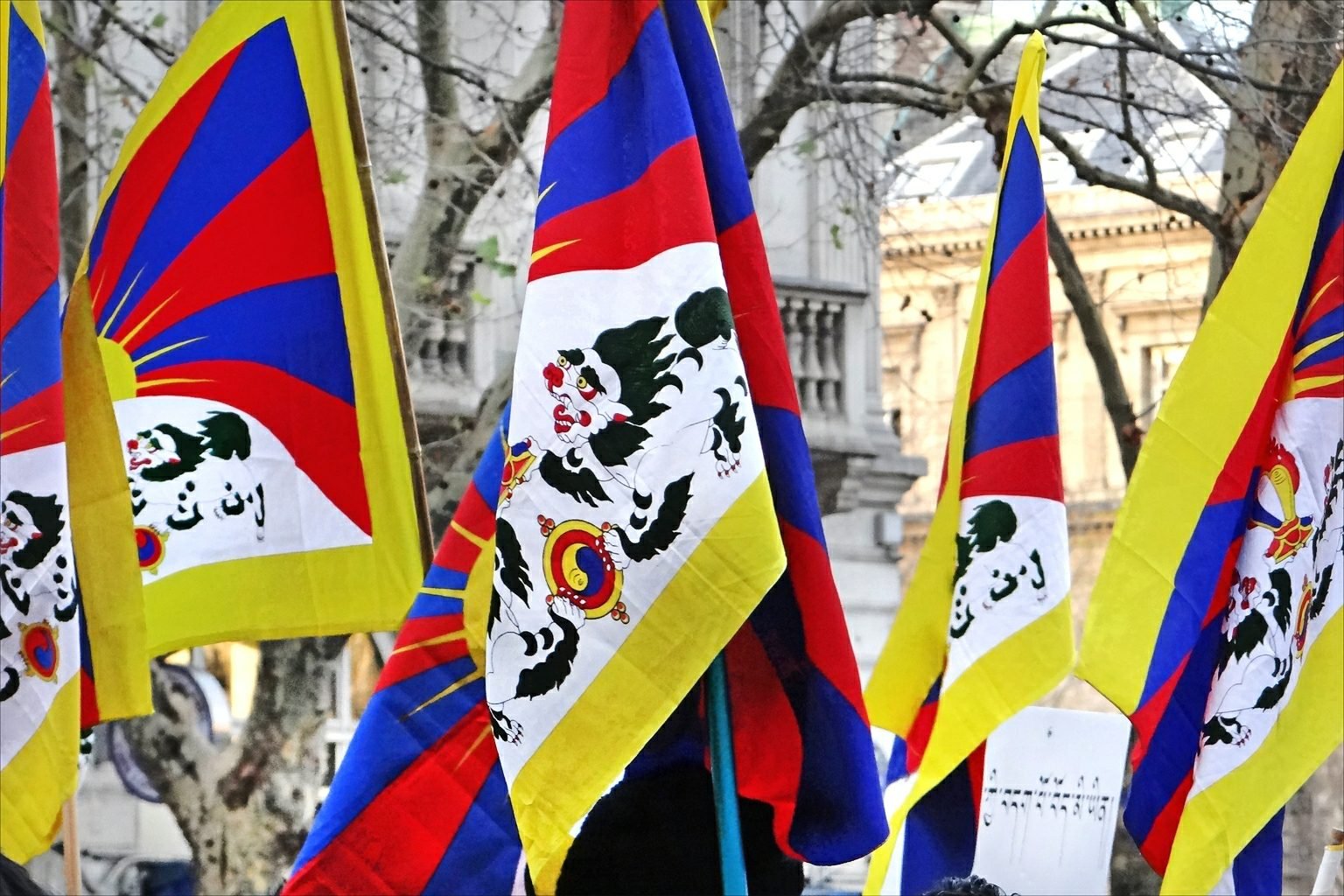
Four pressures come up again and again in testimony from inside Tibet: language, religion, land, and the freedom to say anything about the first three. They are not separate complaints. Each reinforces the others, and together they describe an assimilation policy that Chinese authorities themselves describe openly, in their own documents, as building a unified national identity.
Language and education
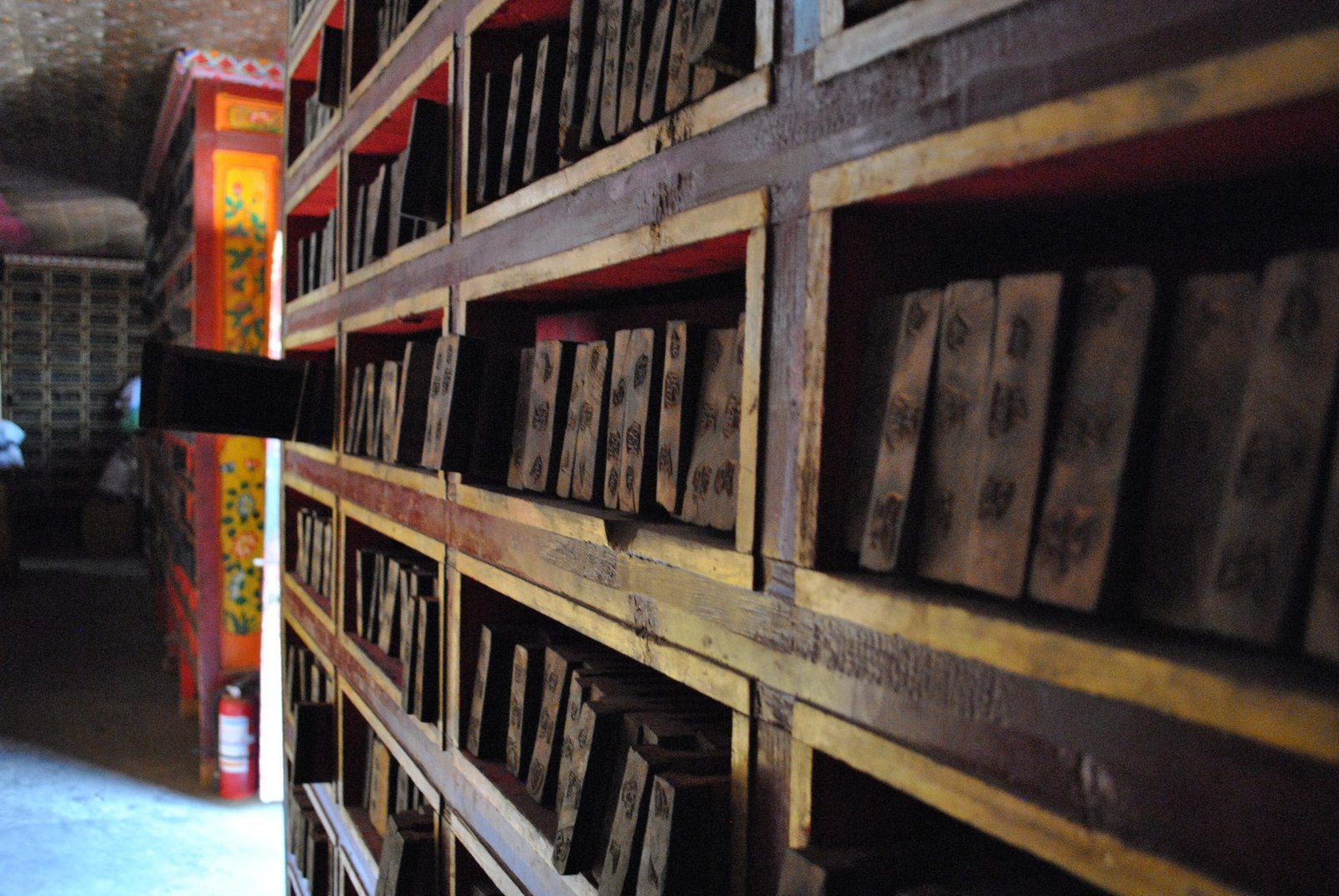
Tibetan is a written language with a documented history of more than thirteen centuries. It is also, increasingly, a language children are not taught in.
Over the past decade Chinese-medium instruction has been extended down through primary schooling across Tibetan areas, and Tibetan has been reduced in many schools to a single subject rather than the language of learning. Private and monastery-run Tibetan language schools have been closed. Tibetans who campaigned peacefully for mother-tongue education have been prosecuted for inciting separatism. Tashi Wangchuk is the case the world knows: a shopkeeper who served five years after describing the problem to a foreign newspaper.
The Ethnic Unity and Progress Law that came into force on 1 July 2026 gives this a national legal footing for the first time. We cover its text and consequences on the Ethnic Unity and Progress Law page.
A child who cannot read Tibetan cannot read the Buddhist canon, the family land records, the letters of their grandparents, or the poetry. Language loss is not a cultural inconvenience. It is the mechanism by which everything else is forgotten.
Boarding schools and separated children
The most consequential change in Tibetan life today is where children sleep. A large majority of Tibetan children now attend state-run boarding schools, many from the age of four or six, often far from their home valleys, returning only for holidays.
Tibet Action Institute documented the system in its 2021 report Separated from Their Families, Hidden from the World and estimated roughly 800,000 Tibetan children in residential schooling. In February 2023 three UN Special Rapporteurs publicly raised a figure of about one million Tibetan children and called on China to end the policy. It was an unusually direct intervention. Chinese authorities describe the schools as a practical response to a scattered rural population. Tibetan parents describe children who come home unable to hold a conversation with their grandmothers.
Religion and the succession question
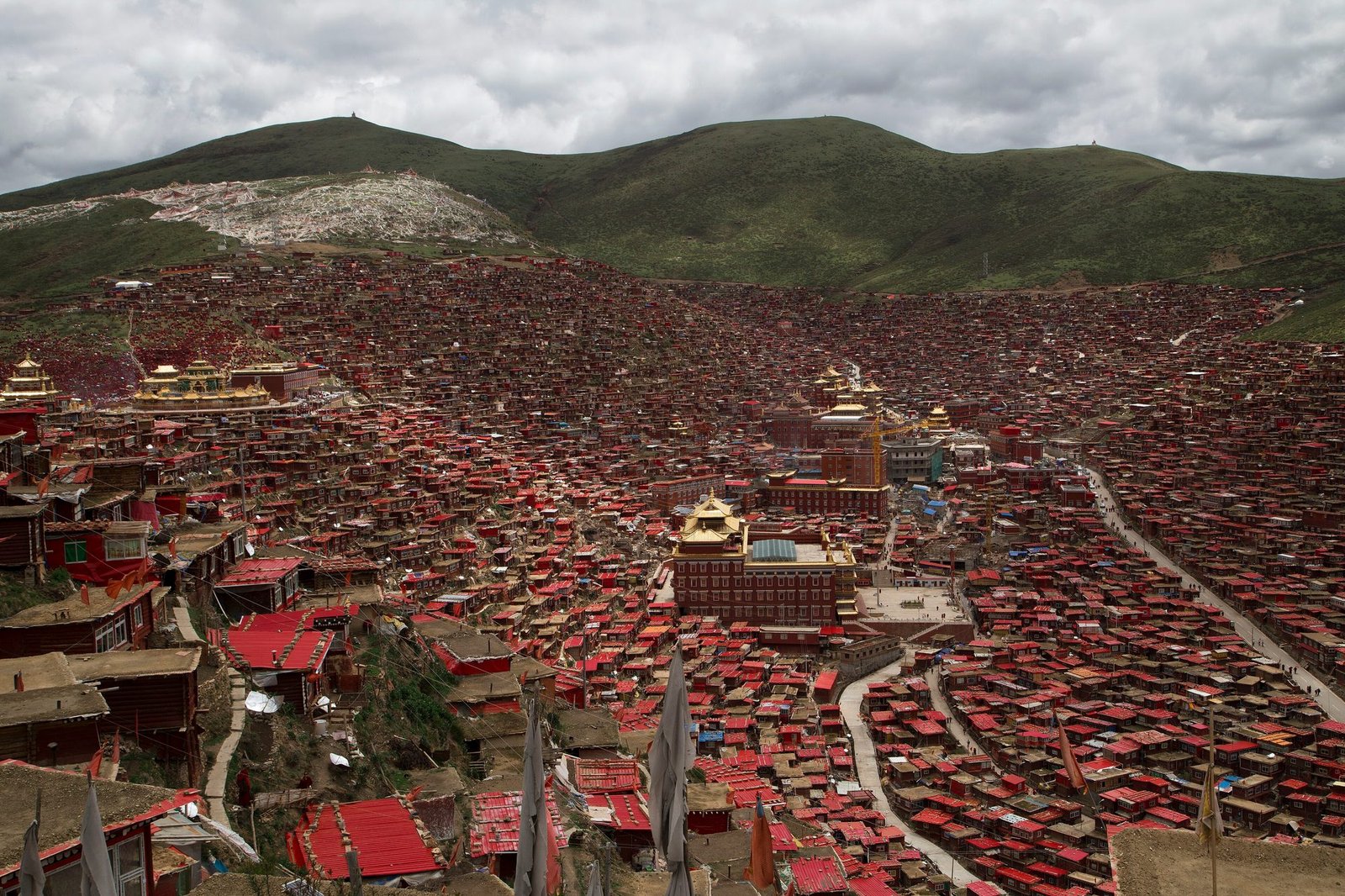
Monasteries operate under work teams, political education sessions, admission quotas and surveillance. Monks and nuns have been expelled in large numbers from institutions such as Larung Gar and Yachen Gar. Possession of a photograph of the Dalai Lama remains punishable.
The sharpest flashpoint is succession. Beijing asserts the authority to approve the reincarnation of the Dalai Lama, invoking a Qing-era golden urn procedure. The precedent Tibetans point to is Gedhun Choekyi Nyima, recognised as the 11th Panchen Lama in 1995 and taken into custody at the age of six; he has not been seen publicly since. In July 2025, around his 90th birthday, the Dalai Lama confirmed that the institution will continue and that sole authority over his recognition rests with the Gaden Phodrang Trust. Tibetans read any competing state-appointed candidate as an attempt to install a political officer in a religious office.
Land, mining and relocation
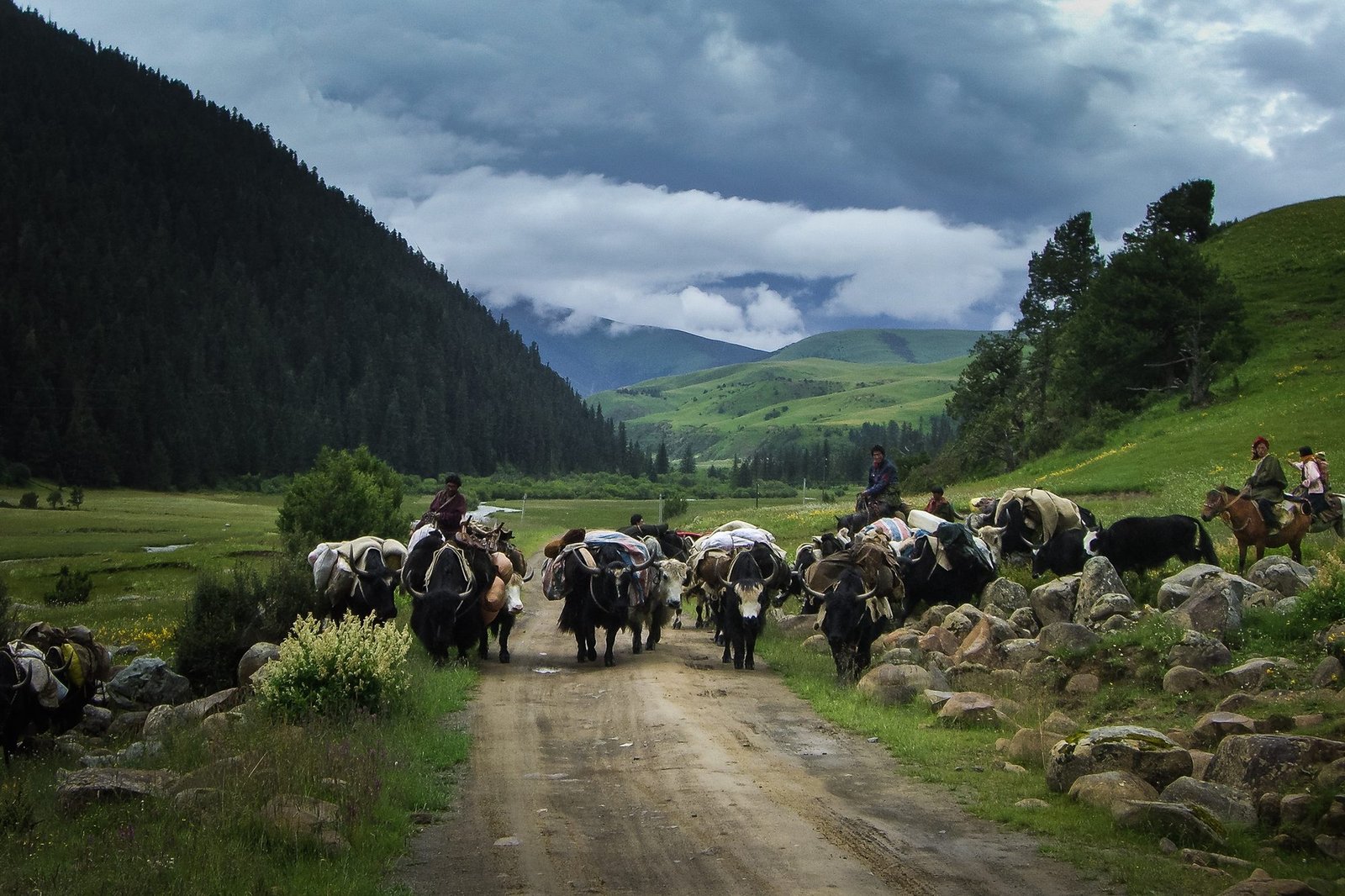
The Tibetan Plateau holds the headwaters of Asia and substantial deposits of lithium, copper and rare earths. Extraction has expanded, and so has the pattern of protest around it: villagers gathering at a mine site or a river, filming, and being detained.
The most documented recent case is Kamtok, the Gangtuo dam on the Drichu, where in February 2024 residents and monks from monasteries facing submersion, including the 700-year-old Wonto monastery with its historic murals, protested against relocation. Video showed mass detentions and beatings. Alongside dam projects, longstanding relocation programmes have moved large numbers of nomads off pastureland into fixed settlements, ending a herding economy that had functioned for centuries.
Surveillance and the cost of speaking
Tibet is among the most heavily monitored places on earth. Grid-style neighbourhood management, mandatory phone checks, biometric and DNA collection, and penalties for contact with relatives abroad make ordinary reporting dangerous. Freedom House has for years ranked Tibet at or near the bottom of its global freedom index.
This matters for how you read any news from Tibet. The absence of reported protest is not evidence of consent. It is frequently evidence of how expensive reporting has become: a phone call to a cousin in Switzerland can cost a family member their job, their passport application, or their liberty.
How Tibetans protest
Inside Tibet, protest is mostly small, brief and immediately punished: a solo walk through a market with a photograph or a shouted slogan, leaflets, a refusal to celebrate a state holiday, quiet campaigns to speak only Tibetan on certain days, white paper held up in silence.
“A language class is a political act when the language is being erased.”
Since 2009 more than 170 Tibetans have self-immolated, most calling for the return of the Dalai Lama and freedom for Tibet. The Dalai Lama and the Central Tibetan Administration have consistently discouraged this and asked Tibetans to stay alive. We document that record, without romanticising it, on the Pawo Lobga Rangzen page.
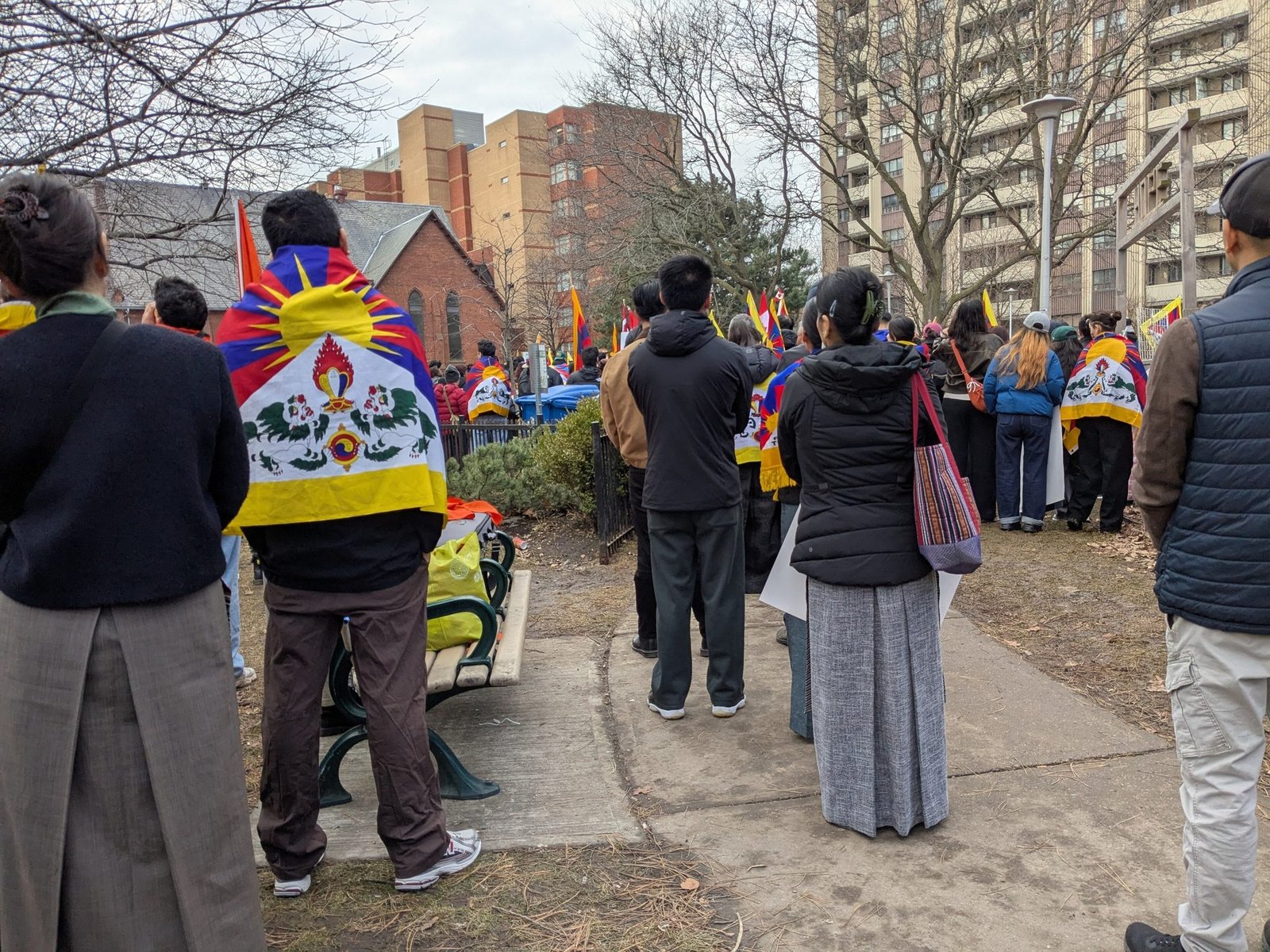
Join in person




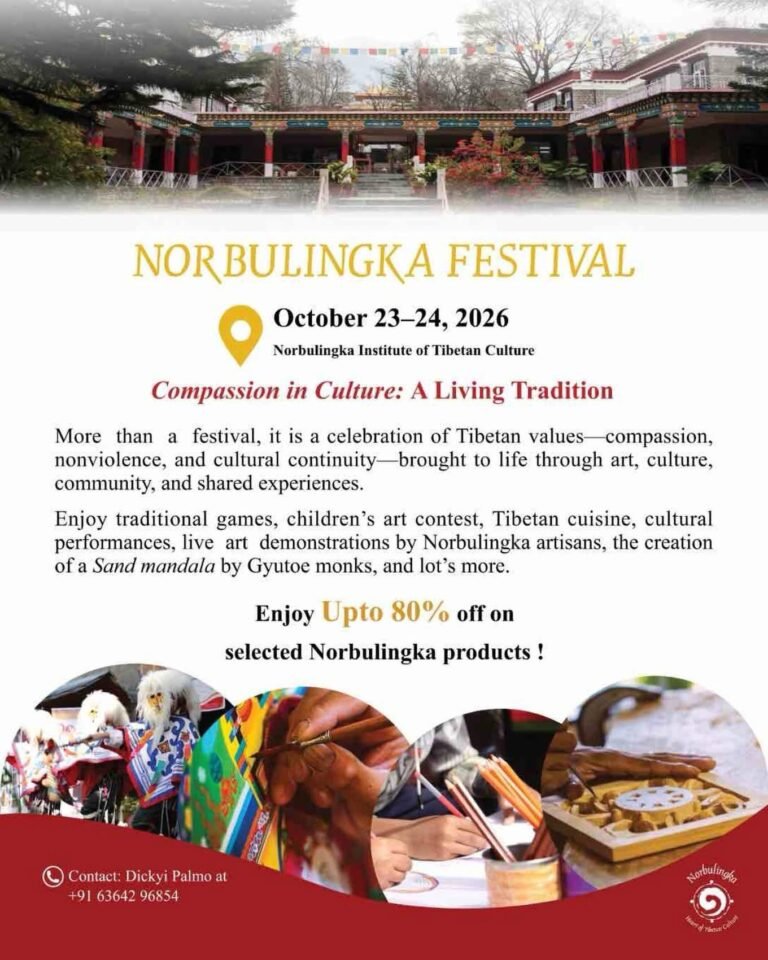
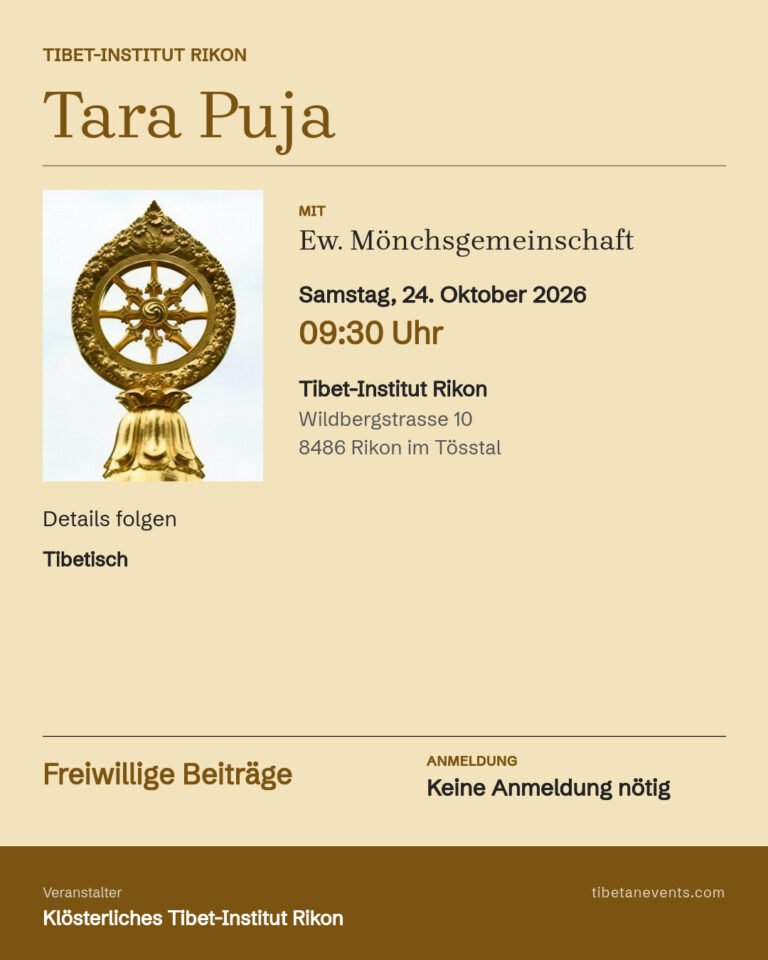

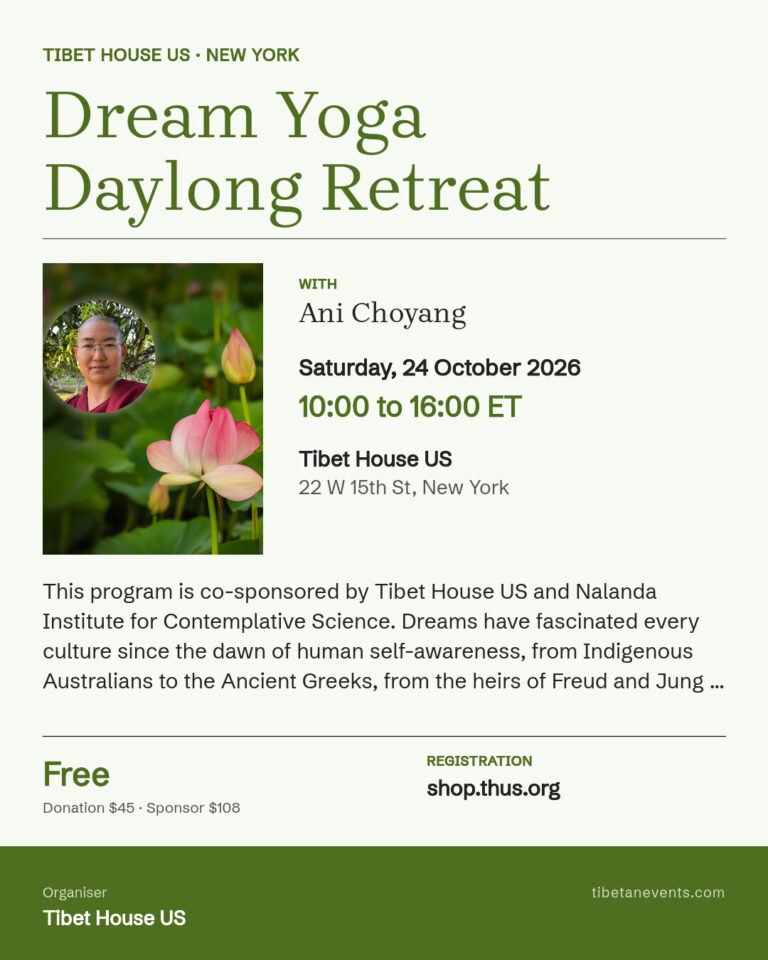

In exile, protest looks different: marches on 10 March each year, vigils, petitions, parliamentary lobbying, cultural festivals, and legal work at the UN Human Rights Council. Almost every Tibetan event listed on this site is, in some quiet sense, part of that continuity: a language class is a political act when the language is being erased.
Join in person
What Tibetans are asking for
There is no single Tibetan position, and it is worth being honest about that. The Central Tibetan Administration has since 1988 pursued the Middle Way Approach: genuine autonomy for Tibetans within the People’s Republic of China, not independence. Formal dialogue between envoys and Beijing has been stalled since 2010. A significant Tibetan constituency, particularly younger people and groups such as Students for a Free Tibet and the Tibetan Youth Congress, argues for full independence, rangzen.
What almost all Tibetans agree on is the practical list: teach our children in Tibetan, let families keep their children at home, release those jailed for writing and singing, stop appointing our religious teachers, consult the people who live on the land before you flood it, and let independent observers in to see for themselves.
What you can do
Come to an event and meet the community rather than only reading about it. Share this page: it exists so that a QR code on a flyer in Zurich leads somewhere substantial. Write to your own parliamentary representative asking for unrestricted diplomatic and journalistic access to Tibet, a modest request that no government has yet secured. And if you are Tibetan, list your event here so the next person looking finds it.
Sources and further reading
A note on sources. Independent journalists, diplomats and UN monitors are not granted free access to Tibet. Almost everything documented here comes from Tibetans who took real risks to send it out, and from UN human rights bodies, Human Rights Watch, Amnesty International, the Tibetan Centre for Human Rights and Democracy, and Tibet Action Institute. Where a figure is contested, we say so.
- [1]UN Office of the High Commissioner for Human RightsStatements of the Special Rapporteurs on Tibetan residential schooling (February 2023)ohchr.org ↗
- [2]Tibet Action InstituteSeparated from Their Families, Hidden from the World (2021)tibetaction.net ↗
- [3]Human Rights WatchCountry reporting on China and Tibet, including relocation and the Kamtok dam protestshrw.org ↗
- [4]Tibetan Centre for Human Rights and DemocracyAnnual human rights situation reportstchrd.org ↗
- [5]Amnesty InternationalCase work on Tibetan prisoners of conscienceamnesty.org ↗
- [6]Freedom HouseFreedom in the World, Tibet country reportsfreedomhouse.org ↗
- [7]Central Tibetan AdministrationThe Middle Way Approach, official textstibet.net ↗
A fuller reference list, with links, is on the Sources & Reports page.