


Tibetan is not a dialect and Tibetan culture is not folklore. It is a literary civilisation with its own script, medicine, philosophy, calendar and legal tradition, continuous for more than thirteen centuries. This page explains what that tradition contains, what is happening to it inside Tibet, and how it is being carried by Tibetans in exile.
A script with a birthdate
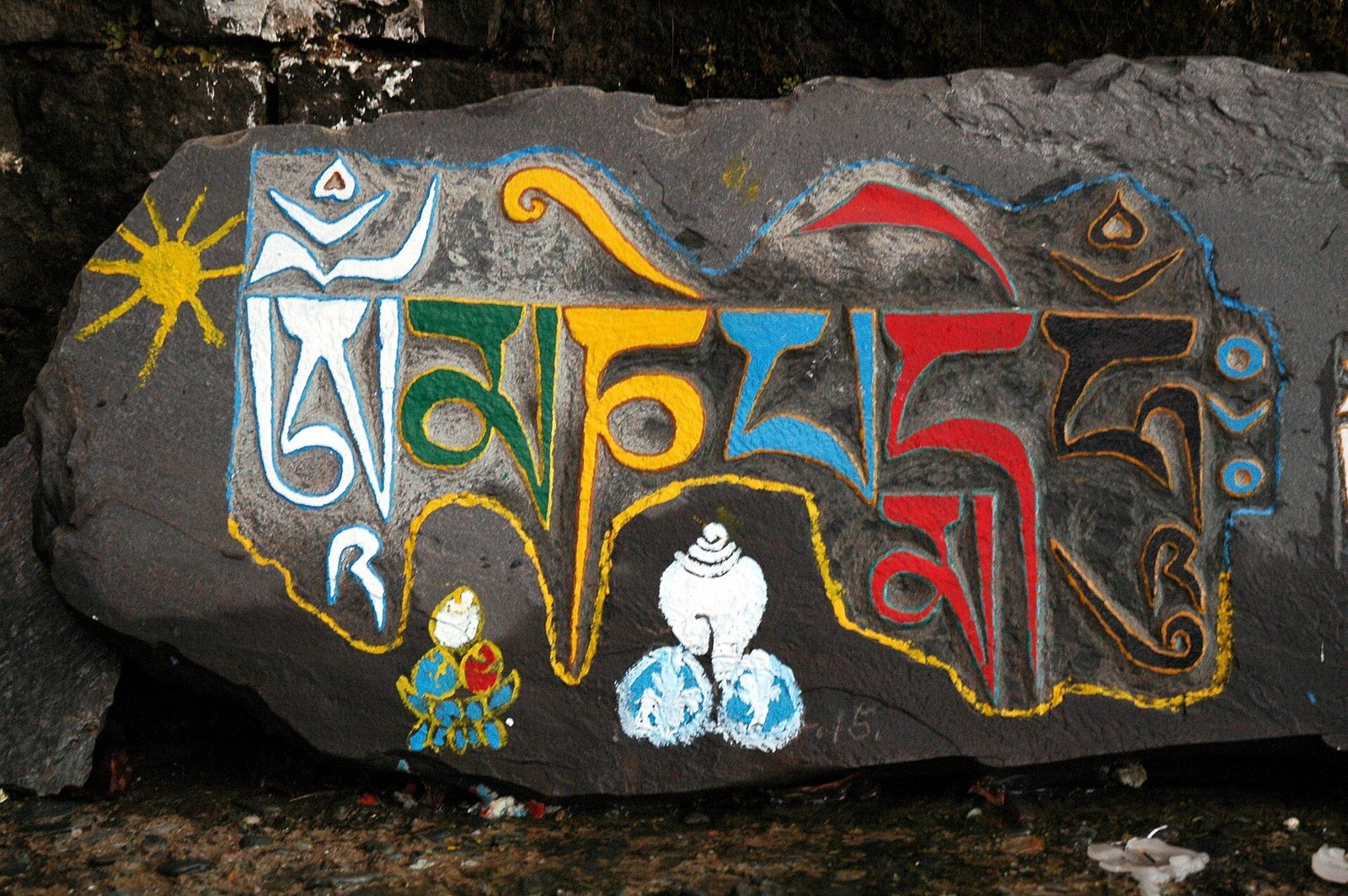
The Tibetan script was created in the seventh century, during the reign of Songtsen Gampo, and is traditionally attributed to the minister Thonmi Sambhota, who adapted an Indic model to Tibetan sounds. It has been in continuous literate use ever since.
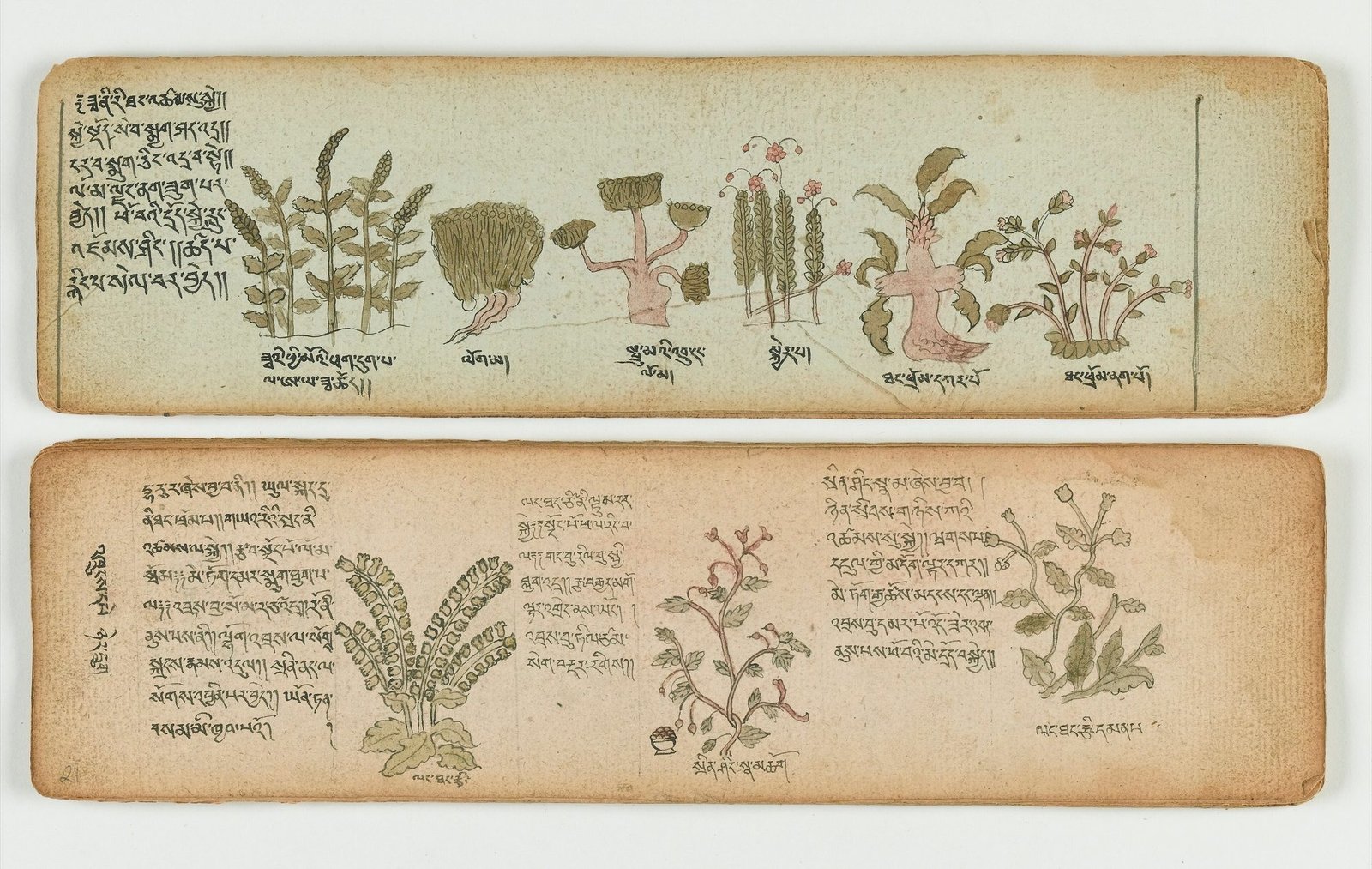
Two forms are in daily use: uchen, the upright headed script used for printing, signage and scripture, and ume, the headless cursive used for handwriting and correspondence. Classical literary Tibetan is close enough to the modern written language that an educated reader today can read a text from the eleventh century: a continuity English does not have with Beowulf.
What the language carries
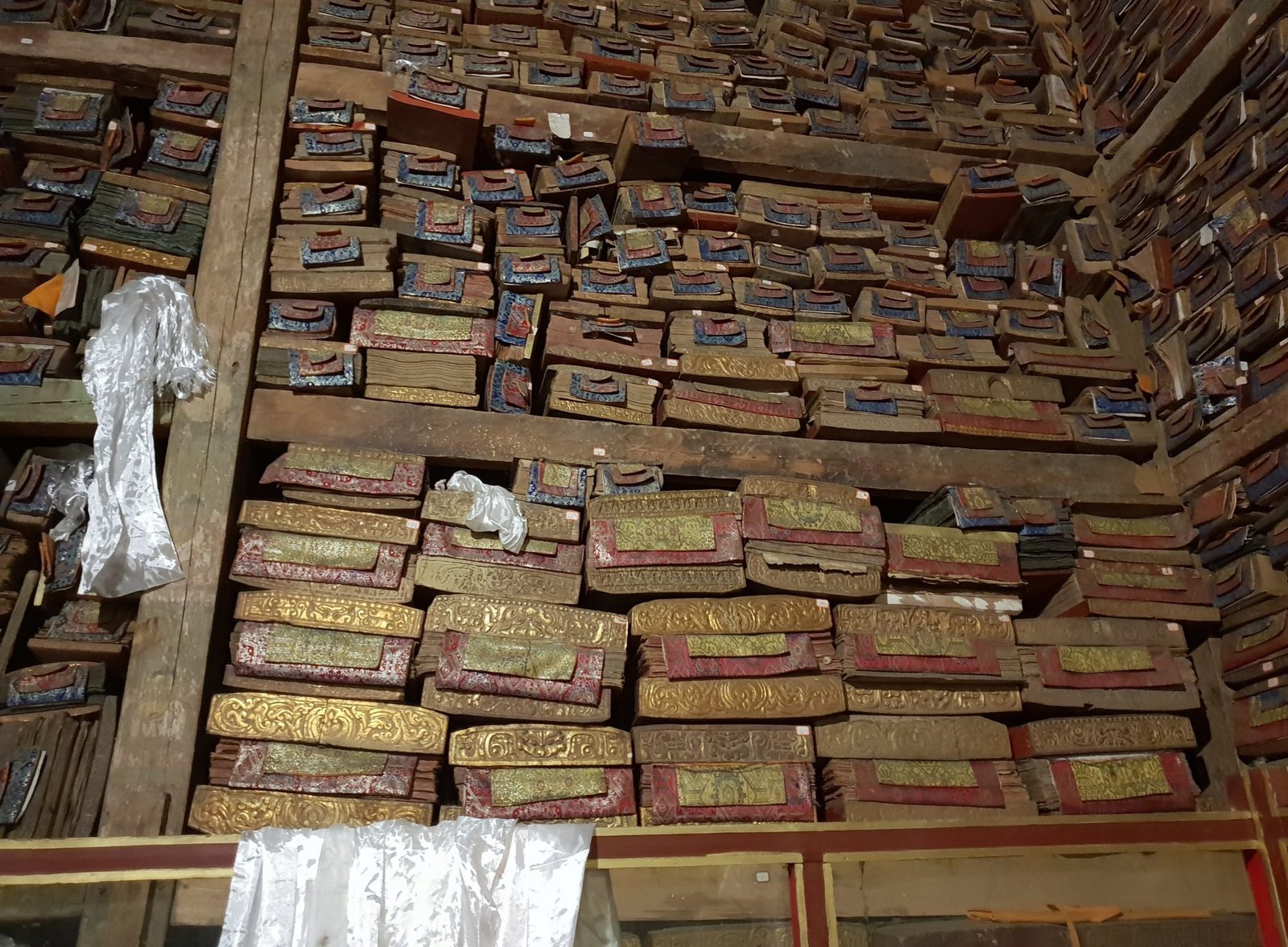
The Tibetan canon, the Kangyur and Tengyur, runs to more than three hundred volumes and preserves a large body of Indian Buddhist philosophy whose Sanskrit originals were lost. For several fields, the Tibetan translation is the primary surviving source in the world.
Beyond religion the language carries Sowa Rigpa, the Tibetan medical system with its own diagnostic tradition and pharmacopoeia; a distinctive astronomical and calendrical science; a vast body of poetry, epic and biography, including the Epic of King Gesar, one of the longest oral epics anywhere; and an oral legal and pastoral vocabulary developed for high-altitude life that has no equivalent in Chinese.
Tibetans do not all speak the same thing at home. The three great dialect groups (U-Tsang in the centre, Kham in the east, Amdo in the northeast) are far apart in speech. The written language is what holds them together, which is precisely why it matters that children stop learning to read it.
What is happening inside Tibet
The pressure on Tibetan is administrative rather than declared. It works through the schools.
Chinese-medium instruction has been pushed down through primary and in places pre-school education across Tibetan areas, with Tibetan retained as one class among others. Private and monastery-run Tibetan language schools have been closed. The great majority of Tibetan children now board in state-run residential schools, many from the age of four to six, spending the formative years of language acquisition in an entirely Chinese-speaking environment.
Tibetans who advocated peacefully for mother-tongue education have been prosecuted. Tashi Wangchuk, a shopkeeper from Yushu who described the problem to a foreign newspaper in 2015, served five years for inciting separatism. Writers, singers and bloggers working in Tibetan, among them the singer Lhundrub Drakpa and many others documented by the Tibetan Centre for Human Rights and Democracy, have been jailed for songs and essays.
The Ethnic Unity and Progress Law, in force since 1 July 2026, sets this into national law by making the promotion of a common national language and a unified national consciousness a legal obligation of state bodies. Its text is covered on the Ethnic Unity and Progress Law page.
The point of tracking language policy is not nostalgia. A language stops when one generation of children does not acquire it as a working literacy. That is roughly a twenty-year mechanism, and it is currently running.
Culture under management
What is permitted is not simply Tibetan culture; it is a curated version of it. Song, dance and costume are promoted, particularly for tourism. Monastic study, religious teaching by exiled masters, unapproved reincarnation, historical writing and independent publishing are not.
Monasteries operate under quotas, work teams and political education. Large monastic settlements including Larung Gar and Yachen Gar have been reduced by demolition and expulsion. Photographs of the Dalai Lama remain prohibited.
Meanwhile the visible surfaces are encouraged: the fabric, the prayer flags, the folk dance. UNESCO-style heritage framing sits comfortably alongside restrictions on the living practice the heritage came from. That gap is the thing to watch for when you see cheerful state coverage of Tibetan festivals.
What exile has preserved
Since 1959 the exile community, numbering roughly 130,000 people across India, Nepal, Europe, North America and Australia, has rebuilt the institutional base of the culture from scratch.
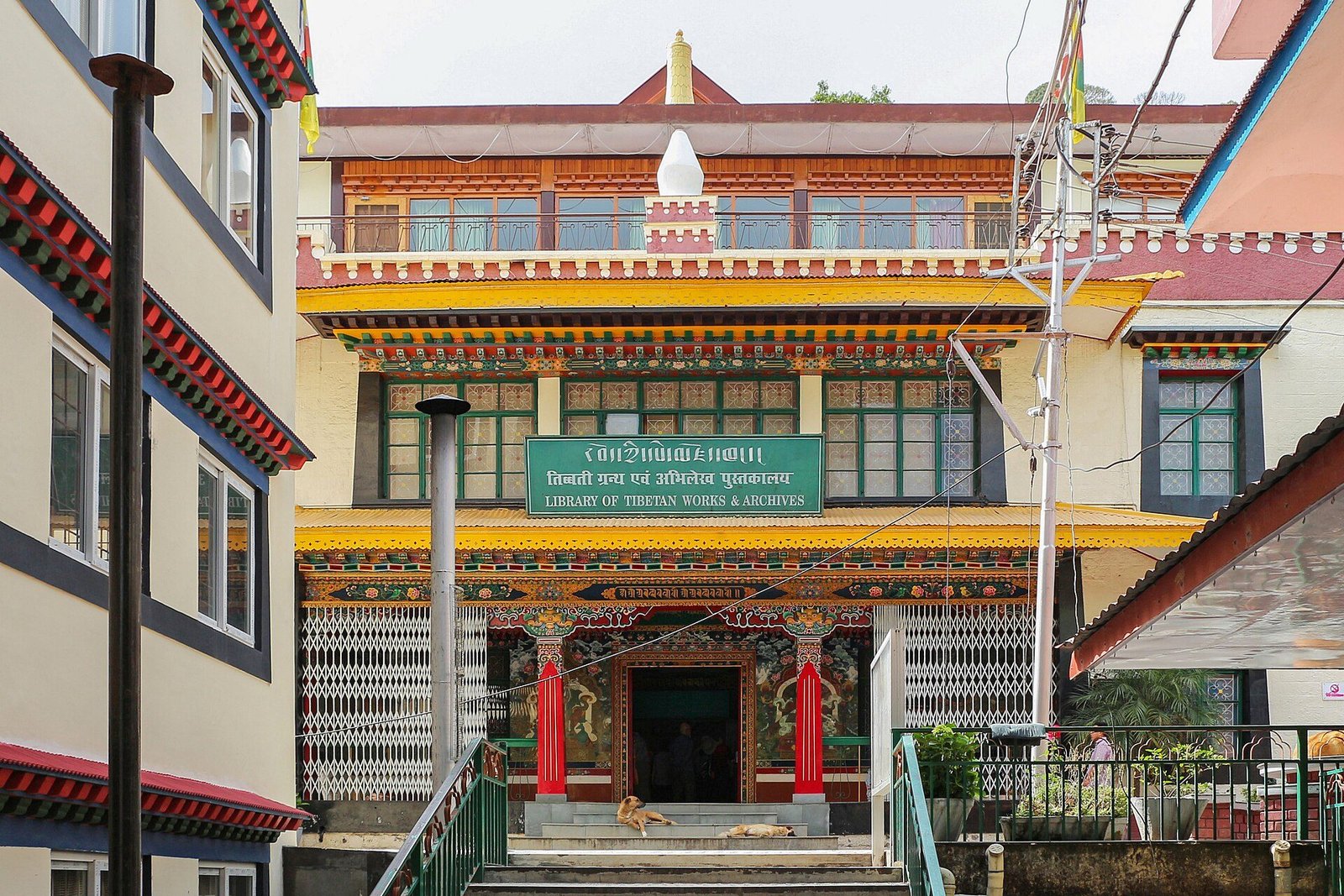
- The Library of Tibetan Works and Archives and the Tibetan Buddhist Resource Center have digitised and preserved tens of thousands of texts.
- The great monastic universities of Sera, Drepung, Ganden and Tashi Lhunpo were re-founded in south India and continue the full curriculum of study and debate.
- The Tibetan Institute of Performing Arts maintains lhamo opera and regional music and dance.
- Men-Tsee-Khang carries the medical and astrological traditions and issues the authoritative Tibetan almanac each year.
- Tibetan Children’s Villages and the exile school system teach in Tibetan, and Sunday schools and weekend classes do the same job in Switzerland, Belgium, the Netherlands and North America.
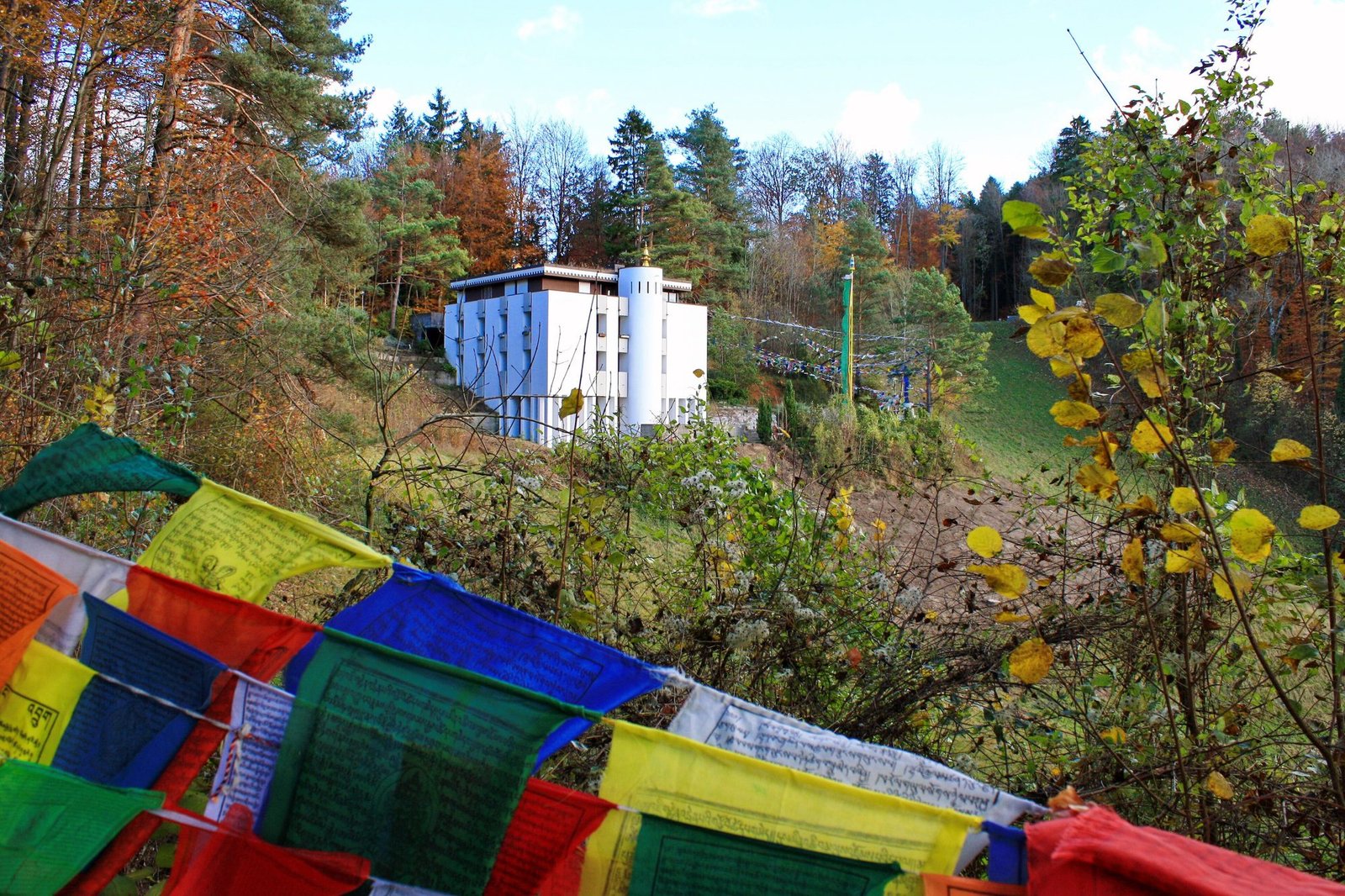
Switzerland matters particularly here: it hosts the oldest and one of the largest Tibetan communities in Europe, and the Tibet Institute in Rikon, founded in 1968, is the only Tibetan monastic institute in Europe built for that purpose.
The exile has its own problem
It would be dishonest to present exile as pure preservation. Third-generation Tibetans in Zurich, Toronto or New York often speak better German, English or French than Tibetan. Children raised abroad learn the culture in weekend fragments rather than as a whole environment. Small dispersed communities lose critical mass.
This is why community events are not decoration.
This is why community events are not decoration. A Losar celebration, a language class, a Gesar recitation, a debate evening or a Rikon teaching is one of the few remaining places where the language is the medium rather than the subject. That is the practical case for showing up.
What you can do
If you are Tibetan: send your children to the language class even when it is inconvenient, speak Tibetan at home even when the reply comes back in the local language, and list your community events here so that other families find them.
Join in person
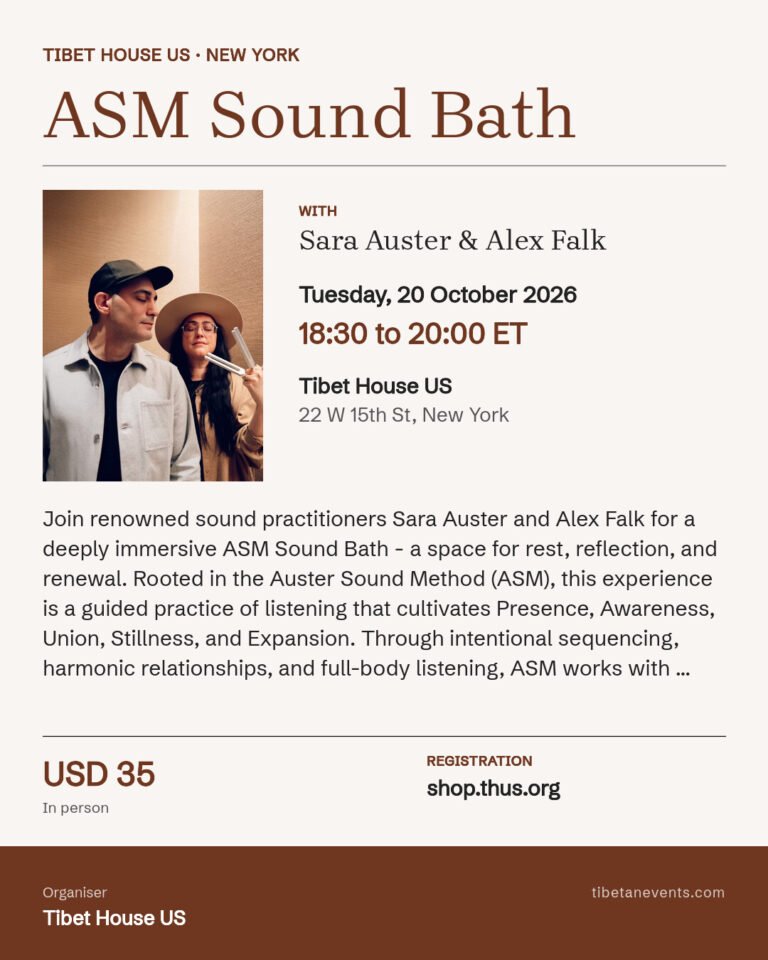


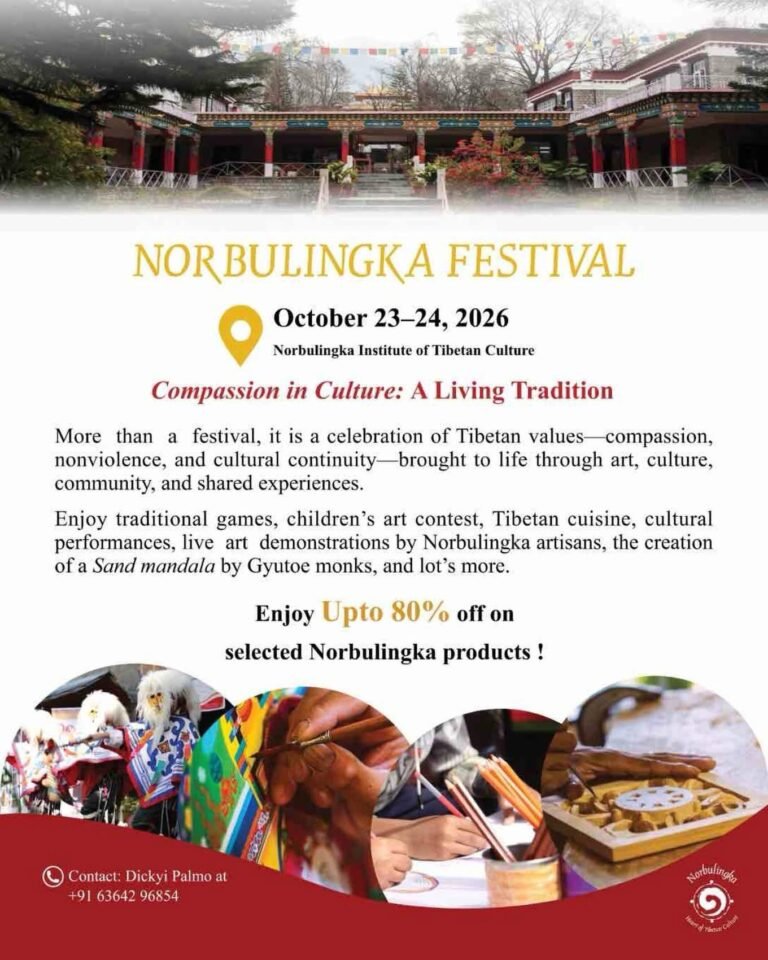
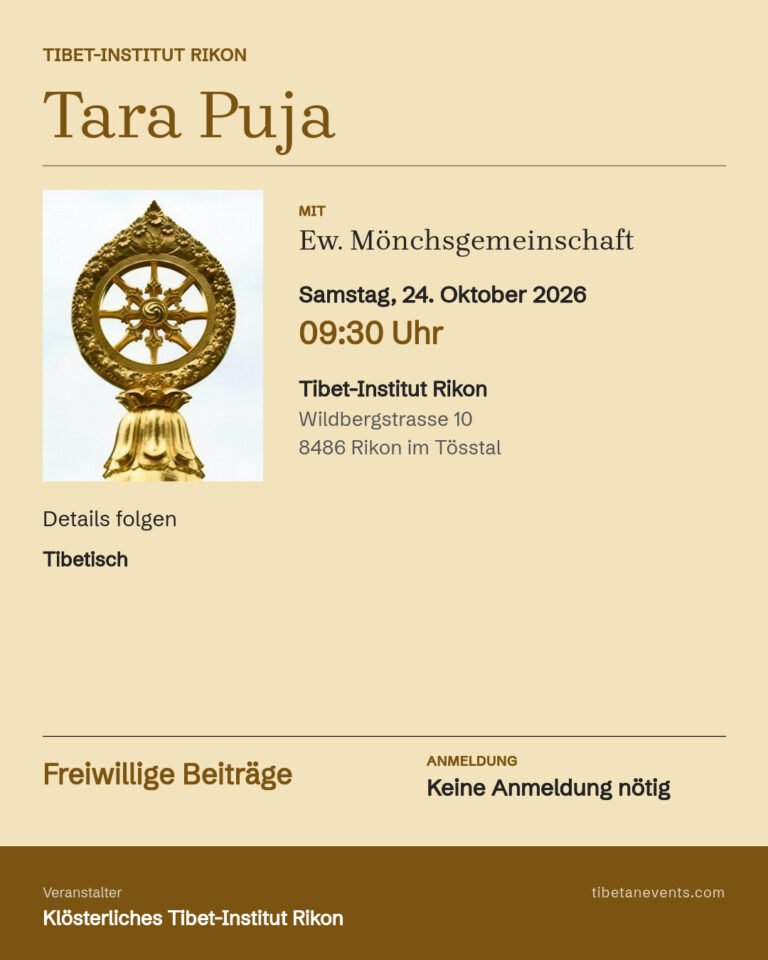

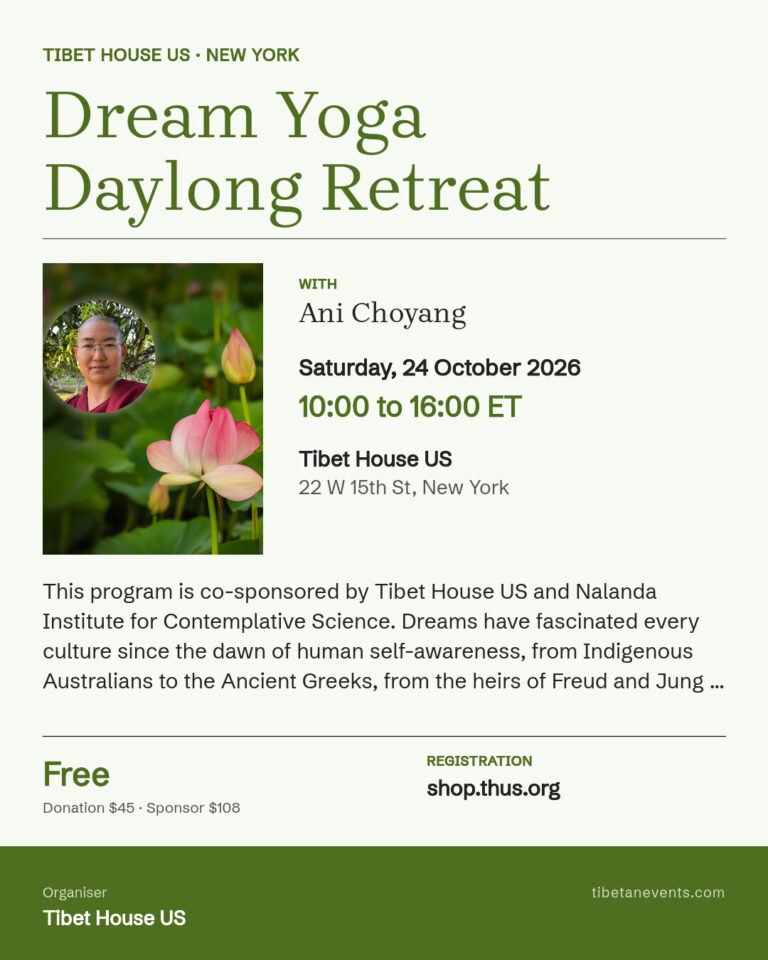

If you are not: attend a public event, learn what the script is and why it matters, and when you hear Tibetan culture described as protected, ask which part: the dancing, or the reading.
Join in person
Sources and further reading
- [1]Tibet Action InstituteSeparated from Their Families, Hidden from the World (2021), on residential schoolingtibetaction.net ↗
- [2]UN Office of the High Commissioner for Human RightsSpecial Rapporteurs’ statement on Tibetan boarding schools (February 2023)ohchr.org ↗
- [3]Tibetan Centre for Human Rights and DemocracyReports on Tibetan writers, singers and language advocatestchrd.org ↗
- [4]Human Rights WatchReporting on language policy and education in Tibetan areashrw.org ↗
- [5]Library of Tibetan Works and Archives, Buddhist Digital Resource Center and Men-Tsee-Khangltwa.net ↗bdrc.io ↗men-tsee-khang.org ↗
- [6]Tibet Institute RikonOn the Tibetan community in Switzerlandtibet-institut.ch ↗
Full links are collected on the Sources & Reports page.