


On the evidence
No independent researcher or journalist can visit these schools freely. The findings below come from Chinese government statistics and official media, satellite imagery, curriculum documents, and testimony from Tibetan parents, former students and teachers, assembled principally by Tibet Action Institute, Human Rights Watch and the Tibetan Centre for Human Rights and Democracy, and reviewed by UN special procedures.
Around one million Tibetan children, the large majority of the school-age population, live in state-run residential schools, some from the age of four. UN human rights experts have called on China to end the system. This page sets out what is known, who documented it, and why Tibetans describe it as the single most serious threat to their future.
The scale
Tibet Action Institute published the first systematic account on 7 December 2021, drawing on Chinese state data. It found that by 2019 roughly 800,000 to 900,000 Tibetan children aged six to eighteen were boarding, close to four out of five children in that age band, against a far lower national rate for Chinese children.
Later work raised the picture further: approximately one million Tibetan children in residential schooling, including at least 100,000 in mandatory boarding preschools, with children entering at four years old.
These are not remote-area exceptions. Village and township schools have been closed and consolidated into centralised boarding facilities, so that boarding is often not a choice a family can decline.
What the day looks like
Instruction is overwhelmingly in Chinese. Tibetan, where it survives on the timetable, is one subject among others rather than the language of learning. Political education is part of the curriculum from an early age, including patriotic content and material on national unity and the leadership of the state.
Children live away from parents and grandparents for most of the year.
Children live away from parents and grandparents for most of the year. The result described consistently by families is not only forgotten vocabulary but a break in transmission: the customs, prayers, agricultural and pastoral knowledge, humour and manners that pass from an old person to a small child in daily life simply do not get handed over.
Tibet Action Institute’s second major report, When They Came to Take Our Children, published on 28 May 2025, documented neglect, emotional abuse and psychological trauma within the system, including video evidence of violence against children.
A Tibetan mother quoted in that research put the arithmetic simply: the child leaves at four and comes back at eighteen, and by then you are not the person who raised them.
What the United Nations has said
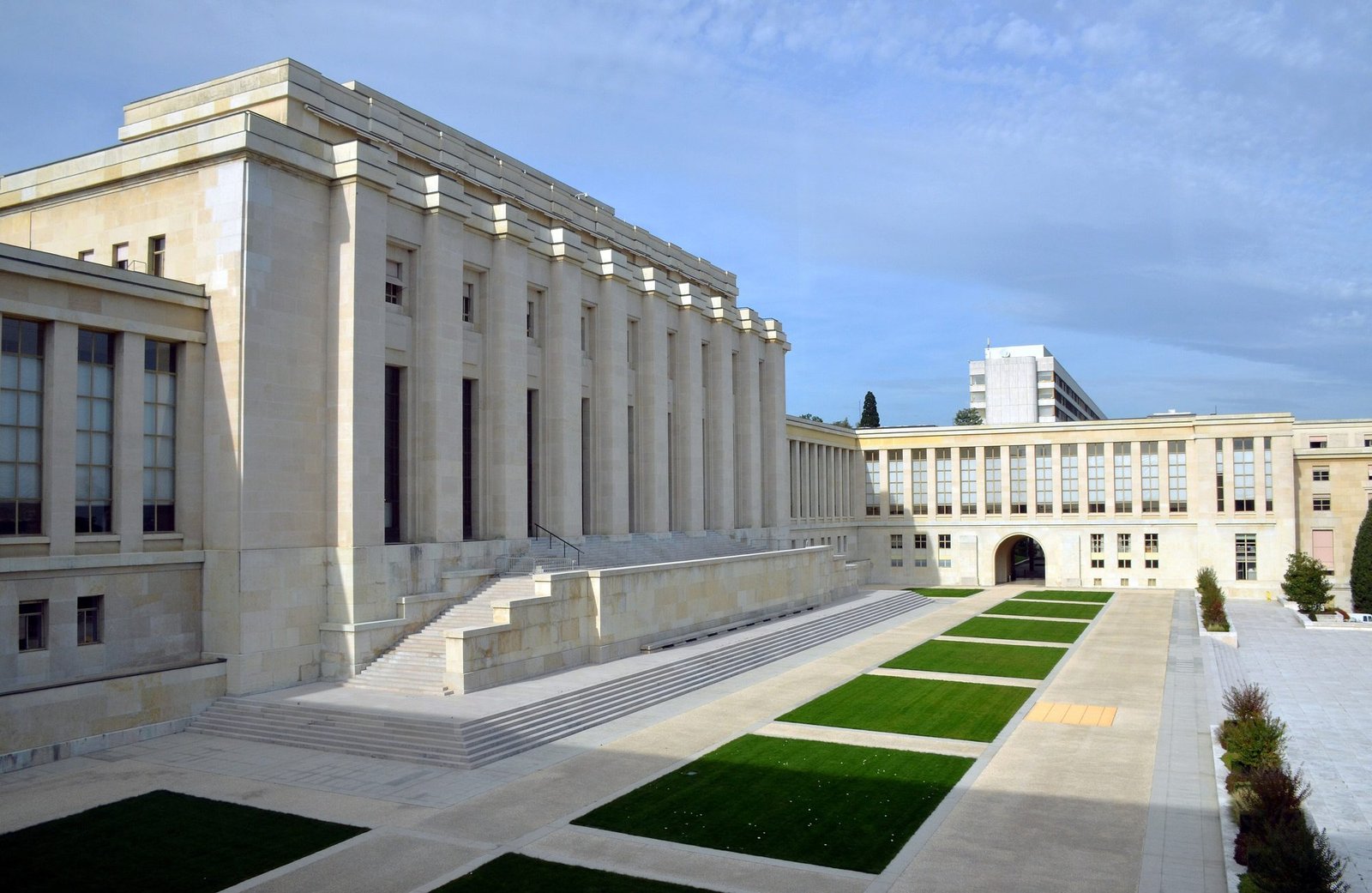
On 6 February 2023 three UN Special Rapporteurs, on cultural rights, on minority issues, and on the right to education, issued a joint public statement expressing alarm at a residential schooling system affecting around a million Tibetan children, and called on China to abolish it. Public interventions of that directness against a permanent member of the Security Council are rare.
UN treaty bodies have returned to it since. In its 2023 review the Committee on the Elimination of Racial Discrimination raised the schools directly. On 5 February 2026 the Special Rapporteur on minority issues, Nicolas Levrat, issued a report concluding that China’s policies toward Tibetan language and identity, with the boarding school system as central evidence, meet the threshold of concern for genocide as defined in international law, a formulation no UN mandate holder had previously used about Tibet.
China is due for review by the Committee on the Rights of the Child in 2027.
What China says
Chinese authorities present the schools as an educational and anti-poverty measure suited to a sparsely populated plateau: boarding brings qualified teachers, heated classrooms, meals and access to higher education to children who would otherwise be scattered across pastureland. Officials point to rising literacy and enrolment figures and describe criticism as external interference based on separatist sources.
Two responses are usually made to that. First, the same practical problem exists in other sparsely populated parts of China without comparable boarding rates. Second, the policy documents themselves are explicit about a second objective alongside education: the strengthening of a unified national consciousness and a common national language. That is a cultural aim, not a logistical one. The Ethnic Unity and Progress Law of 1 July 2026 states that objective in national law.
Why Tibetans call it the decisive issue
Repression of religion, land seizure and imprisonment are all reversible in principle. A generation raised without its own language is not.
Tibetans of every political position, Middle Way and independence, exile and inside Tibet, monastic and secular, converge on this point more completely than on any other. It is the issue Tibetan organisations lead with at the UN, and it is the reason the phrase used in exile is not assimilation but the loss of the next generation.
What you can do
Ask your own government where it stands. Several parliaments, including in Canada, the United Kingdom and the European Parliament, have debated or resolved on Tibetan boarding schools, and public questions from constituents are what put it on those agendas.
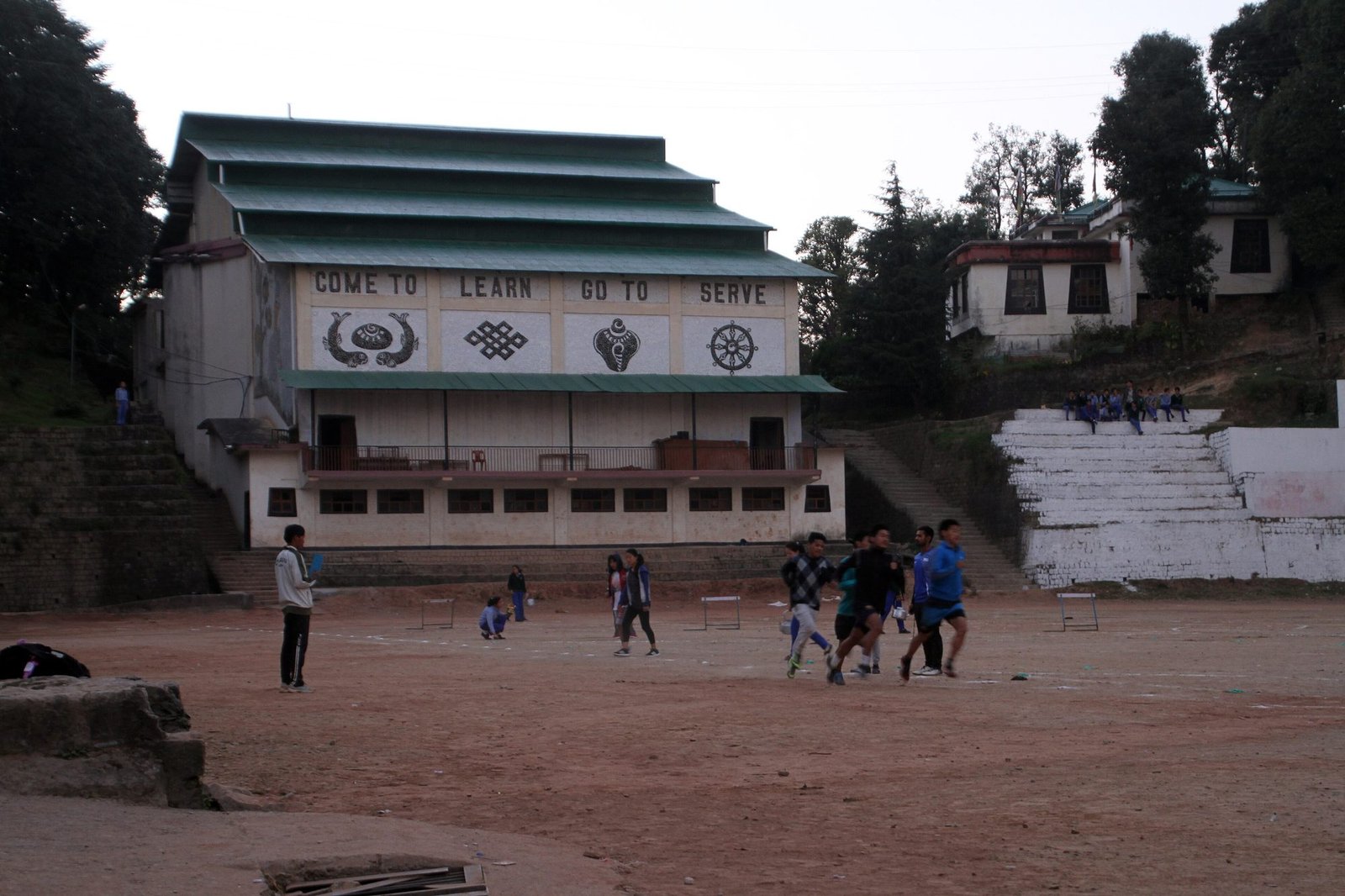
Support the exile school system, which does the opposite work: Tibetan Children’s Villages, the exile schools in India and Nepal, and the weekend language classes run by Tibetan associations in Switzerland and across Europe.
Join in person





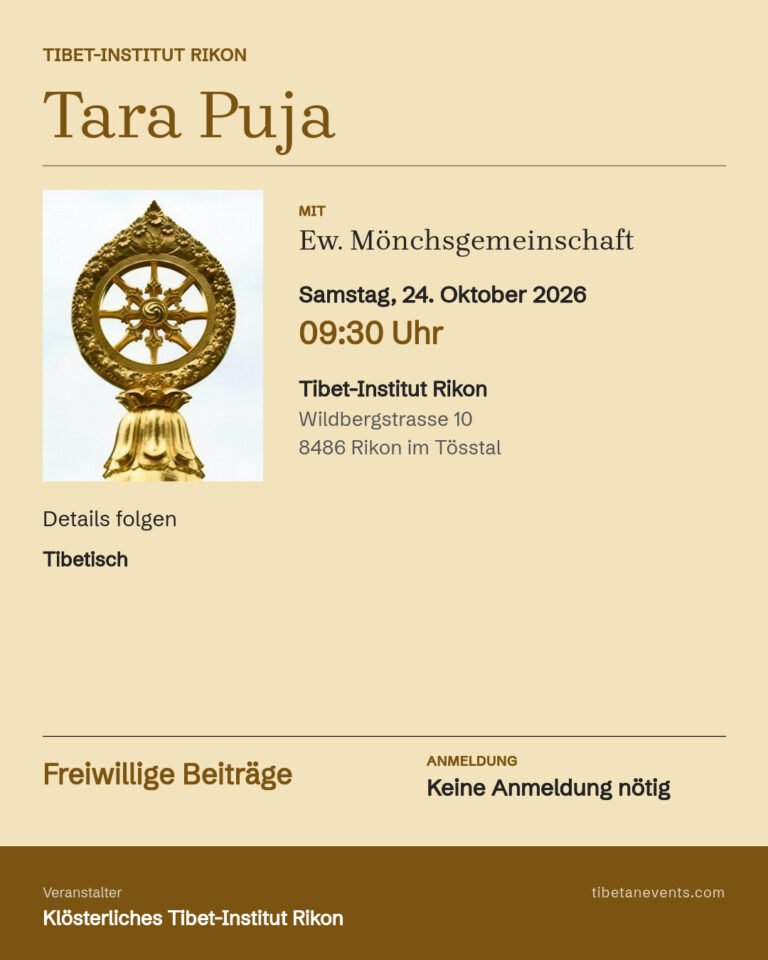


And share this page. The single most useful thing a non-Tibetan can do with this information is make it ordinary knowledge rather than specialist knowledge.
Join in person
Sources and further reading
On the evidence. No independent researcher or journalist can visit these schools freely. The findings below come from Chinese government statistics and official media, satellite imagery, curriculum documents, and testimony from Tibetan parents, former students and teachers, assembled principally by Tibet Action Institute, Human Rights Watch and the Tibetan Centre for Human Rights and Democracy, and reviewed by UN special procedures.
- [1]Tibet Action InstituteSeparated from Their Families, Hidden from the World (7 December 2021)tibetaction.net ↗
- [2]Tibet Action InstituteWhen They Came to Take Our Children: China’s Colonial Boarding Schools and the Future of Tibet (28 May 2025)tibetaction.net ↗
- [3]UN OHCHRJoint statement of Special Rapporteurs on Tibetan residential schools (6 February 2023)ohchr.org ↗
- [4]UN Special Rapporteur on minority issuesReport on China and Tibetan identity (5 February 2026)ohchr.org ↗
- [5]UN Committee on the Elimination of Racial DiscriminationConcluding observations on China (2023)ohchr.org ↗
- [6]Human Rights WatchSchool consolidation and language of instruction in Tibetan areashrw.org ↗
- [7]Tibetan Centre for Human Rights and DemocracyAnnual reportstchrd.org ↗
Full links are collected on the Sources & Reports page.