


Tibetan events in Nepal
Nothing scheduled in Nepal yet. Subscribe to its calendar and new events arrive by themselves.
Try another week or town, or show every upcoming event.
Nothing in Nepal yet.
Submit it for free. We review every event before it goes live.
Tibetans in Nepal
Nepal is home to one of the most significant Tibetan exile communities in the world.
Tibetans in Nepal, approximately
Refugees settle around Boudhanath after the uprising
Monasteries kept by the community
UNESCO World Heritage stupas: Boudhanath and Swayambhunath
Boudhanath Stupa
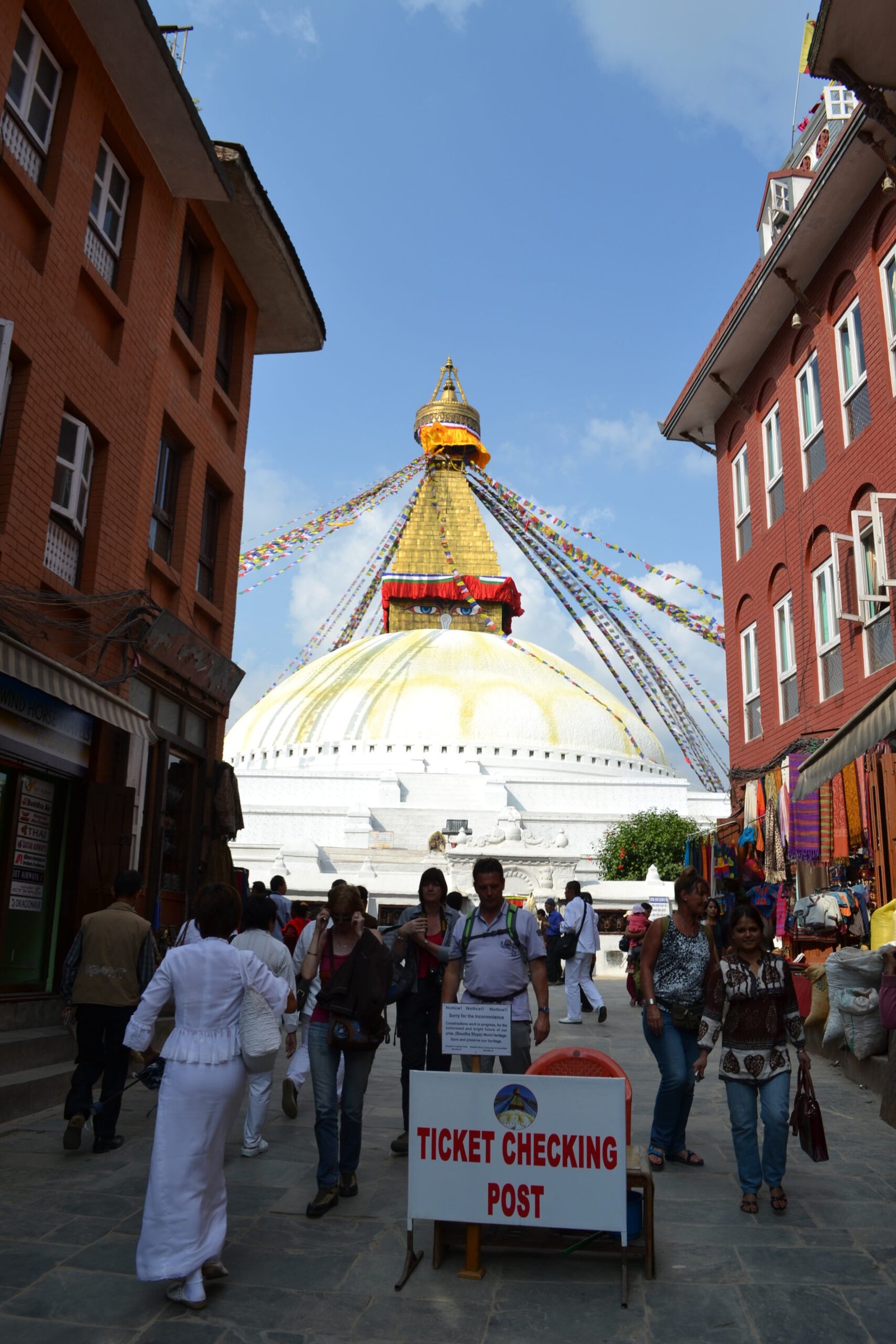
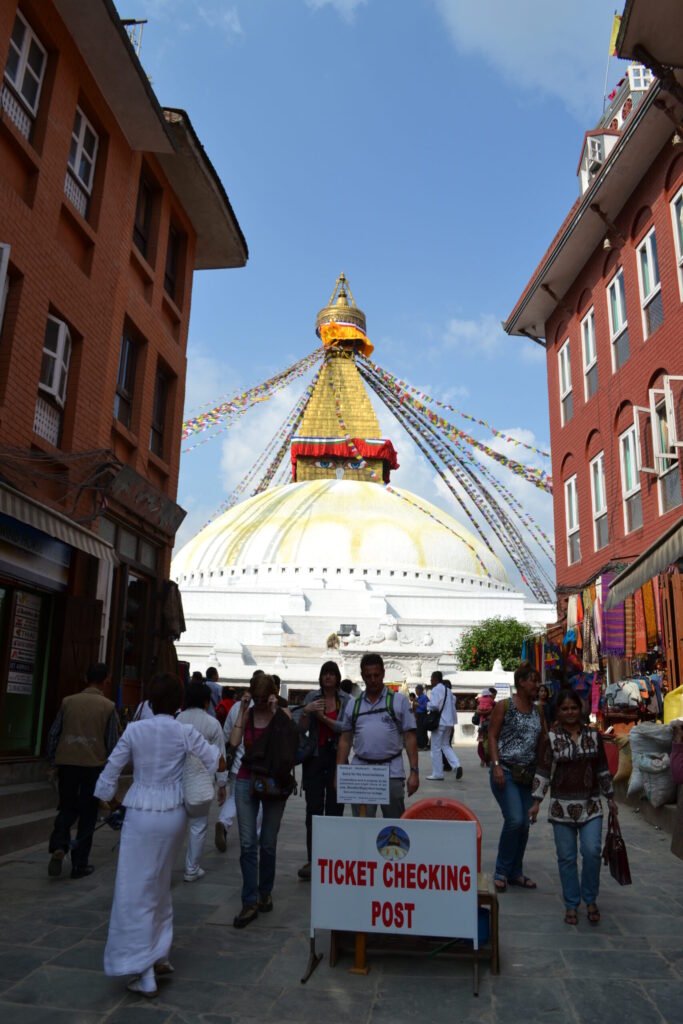
Boudhanath Stupa (Tibetan: ཇོ་བོ་) is one of the largest Buddhist stupas in the world and the most important Tibetan Buddhist site outside Tibet.
Swayambhunath Stupa
Swayambhunath Stupa (Tibetan: ཕགས་པ་ཤིང་ཀུན་) is one of the oldest and most revered Buddhist sites in Nepal, perched on a hilltop overlooking the entire Kathmandu Valley.
Tibetan communityLandmark, select to read
The communities behind the events
The Tibetan Community in Nepal
Nepal is home to one of the most significant Tibetan exile communities in the world. Following the 1959 Tibetan uprising, thousands of refugees settled around Boudhanath Stupa in Kathmandu, transforming the area into a vibrant hub of Tibetan culture, art, dharma, and commerce that continues to thrive today.
Approximately 13,000 Tibetans live in Nepal, concentrated in the Kathmandu Valley (particularly Boudha, Swayambhu, and Jawalakhel) and in Pokhara. The community maintains over 50 monasteries, Tibetan language weekend schools, traditional thangka painting studios, and cultural organisations. The annual Losar celebrations at Boudhanath attract pilgrims from across the Himalayas.
Important Places in Nepal · Boudhanath Stupa — Boudha
Boudhanath Stupa (Tibetan: ཇོ་བོ་) is one of the largest Buddhist stupas in the world and the most important Tibetan Buddhist site outside Tibet. Located in Kathmandu’s Boudha district, its UNESCO World Heritage status reflects its deep spiritual and cultural significance. The stupa’s white dome, golden spire, and the watchful painted eyes of the Buddha are recognized globally as symbols of Tibetan Buddhism.
Boudha is the living heart of Nepal’s Tibetan exile community. More than 50 gompa (monasteries) surround the stupa, representing all major schools of Tibetan Buddhism. Each morning and evening, thousands of Tibetans, monks, and pilgrims circumambulate the sacred kora path, spinning prayer wheels and reciting mantras. The area is home to thangka painting studios, dharma bookshops, traditional craft workshops, and dozens of dharma centers offering teachings and retreats throughout the year.
Swayambhunath Stupa · Swayambhu
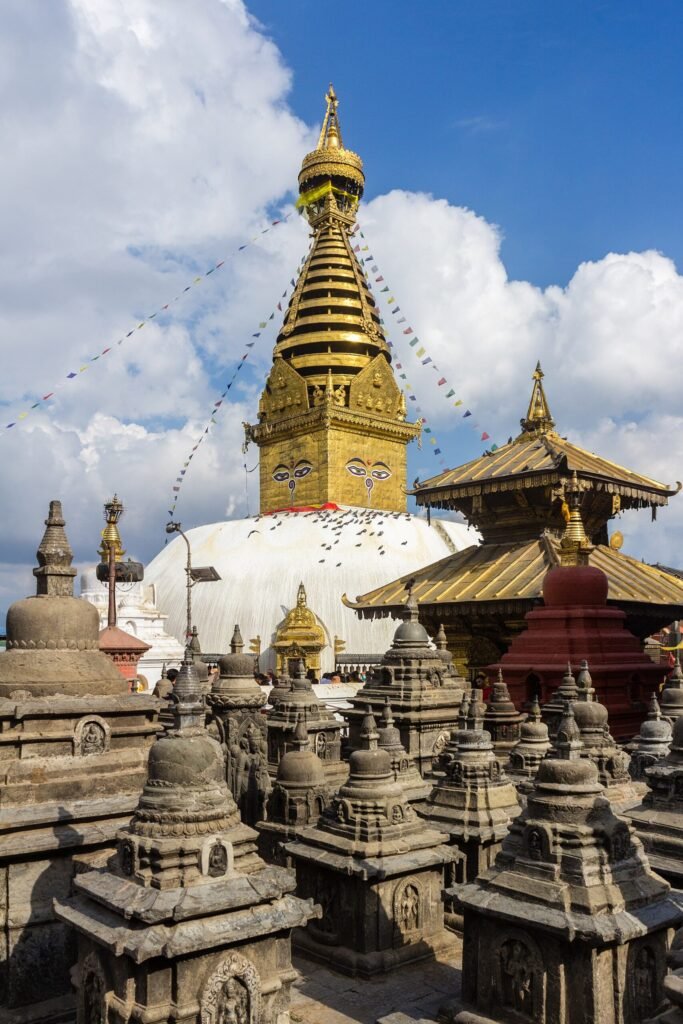
Swayambhunath Stupa (Tibetan: ཕགས་པ་ཤིང་ཀུན་) is one of the oldest and most revered Buddhist sites in Nepal, perched on a hilltop overlooking the entire Kathmandu Valley. Known affectionately as the “Monkey Temple” due to its resident population of sacred monkeys, Swayambhu is a UNESCO World Heritage Site and a place of profound spiritual power for Tibetan Buddhists, Newars, and Hindus alike.
For the Tibetan community, Swayambhu is particularly sacred: the great lotus stupa, the all-seeing eyes painted on each face of the harmika, and the surrounding collection of shrines, chortens, and vajras make it one of the most powerful pilgrimage sites in the Himalayas. Tibetan monasteries and dharma centers are clustered around the hilltop, and during auspicious occasions such as Losar and Saga Dawa, thousands of Tibetan pilgrims gather here to perform kora, offer butter lamps, and receive blessings.
Tibetan Events in Nepal Overview
Nepal hosts a rich calendar of Tibetan cultural events from Losar (Tibetan New Year) at Boudhanath attracting thousands of pilgrims, to Saga Dawa ceremonies, Cham dance festivals at major monasteries, thangka exhibitions, and community cultural shows. Kathmandu’s Tibetan quarter around Boudha is one of the most culturally alive Tibetan spaces anywhere in the world outside Tibet itself.
Recently in Nepal
More country pages
New events arrive in your calendar by themselves.