


Why the record is incomplete
China does not permit independent journalists, diplomats or UN monitors free access to Tibetan areas. Foreign visitors need special permits that are routinely suspended. Everything below is therefore a floor: what could be documented despite that, mostly by Tibetans taking personal risk, and verified by international organisations.
Tibet is consistently ranked among the least free places on earth, alongside South Sudan and Syria. That ranking is not rhetoric: it rests on a specific, documented set of restrictions on movement, speech, religion, privacy and due process. This page sets them out plainly, with the source for each.
The overall picture
Freedom House has for several consecutive years scored Tibet at or near the bottom of its global Freedom in the World index, and in some editions the joint lowest score in the world. The assessment covers political rights and civil liberties: no ability to choose leaders, no independent media, no independent civil society, no free assembly, no fair trials in politically sensitive cases.
The Chinese state does not dispute that Tibet is governed under exceptional security arrangements. It disputes the characterisation, describing the measures as stability maintenance and pointing to infrastructure, life expectancy and income figures that have in fact risen.
Speech, writing and the arts
The people most often imprisoned in Tibet are not armed and not organised. They are writers, singers, teachers, monks, bloggers and shopkeepers.
Tashi Wangchuk, a shopkeeper from Yushu, served five years for inciting separatism after describing the decline of Tibetan-language education to a foreign newspaper. Go Sherab Gyatso, a respected monk and scholar, was sentenced to ten years in 2021. Singers have been jailed for songs that mention the Dalai Lama or Tibetan identity. The Tibetan Centre for Human Rights and Democracy maintains the running case record.
The people most often imprisoned in Tibet are not armed and not organised.
Sentences in these cases are typically handed down after closed proceedings, with charges of inciting separatism or picking quarrels: the same elastic provisions used against dissent across China, applied in Tibet to ordinary cultural expression.
Detention, torture and deaths in custody
Amnesty International, Human Rights Watch and TCHRD have documented torture and ill-treatment in Tibetan detention, and a recurring pattern in which prisoners are released in a critical condition and die shortly afterwards. Among the documented cases are the monk Tenzin Nyima and the tour guide Kunchok Jinpa, both of whom died in 2021 after detention.
Families are often not informed of arrests, charges or place of detention. Lawyers of the family’s choosing are frequently not permitted. Incommunicado detention in the early period after arrest is routine in political cases.
Surveillance and privacy
Human Rights Watch reported in September 2022 on a mass DNA collection programme across the Tibet Autonomous Region, covering ordinary residents including children as young as five, carried out without any apparent link to criminal investigation and without meaningful consent.
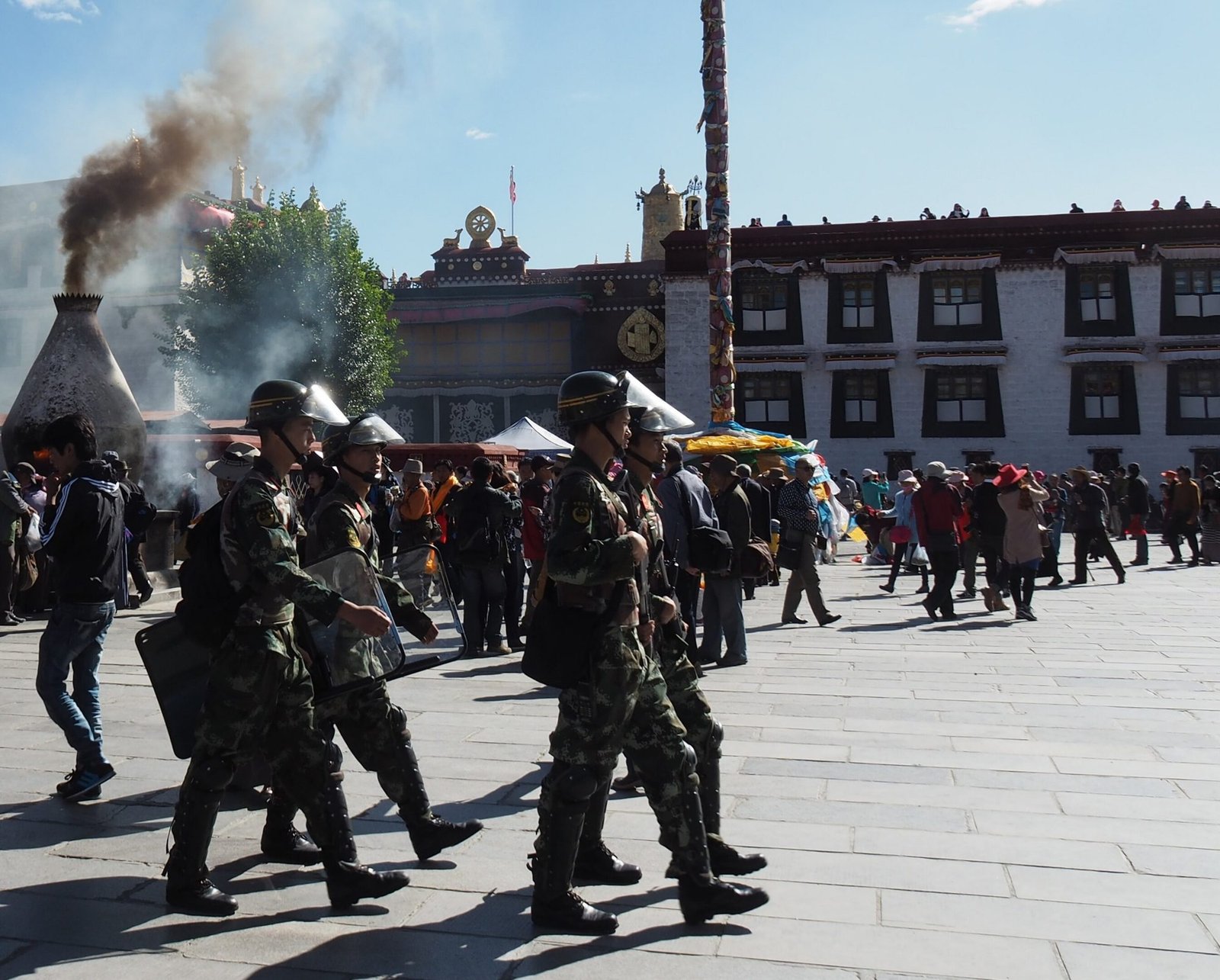
Alongside it: grid-style neighbourhood management dividing towns into monitored units, extensive camera networks, mandatory phone inspections at checkpoints, and required installation of monitoring applications. Contact with relatives abroad is itself a risk factor: families in Switzerland and India describe relatives cutting off calls entirely to protect them.
This is why the news from Tibet goes quiet in the years of hardest control. Silence in the record is a measurement of surveillance, not of contentment.
Religion
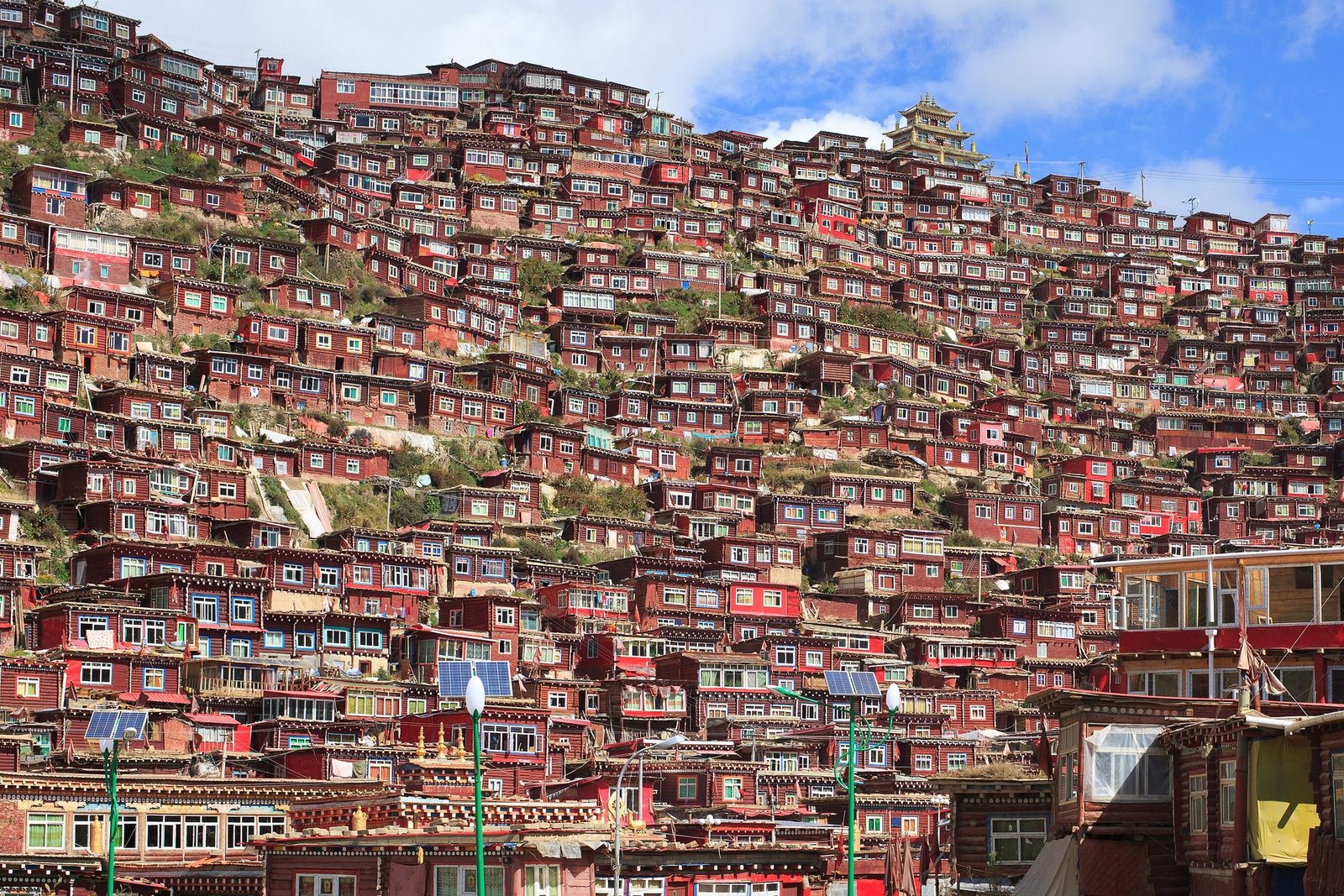
Monasteries and nunneries operate under state work teams, admission quotas, registration requirements and compulsory political education. Monks and nuns have been expelled in large numbers from the great study settlements at Larung Gar and Yachen Gar, with residences demolished.
Displaying a photograph of the Dalai Lama remains punishable. Attending teachings abroad can cost a passport or a job.
The central case is Gedhun Choekyi Nyima, recognised as the 11th Panchen Lama in 1995 and taken into custody at the age of six. He has not been publicly seen since: more than three decades. Successive UN bodies have asked for evidence of his wellbeing and freedom of movement and have not received it. The state’s claim of authority to approve reincarnations, including that of the Dalai Lama, rests on the same machinery.
Movement, land and labour
Tibetans are refused passports at rates far above those for Han Chinese applicants; Human Rights Watch documented the two-tier practice in detail. Internal travel to Lhasa and across prefecture lines requires permits for many Tibetans.
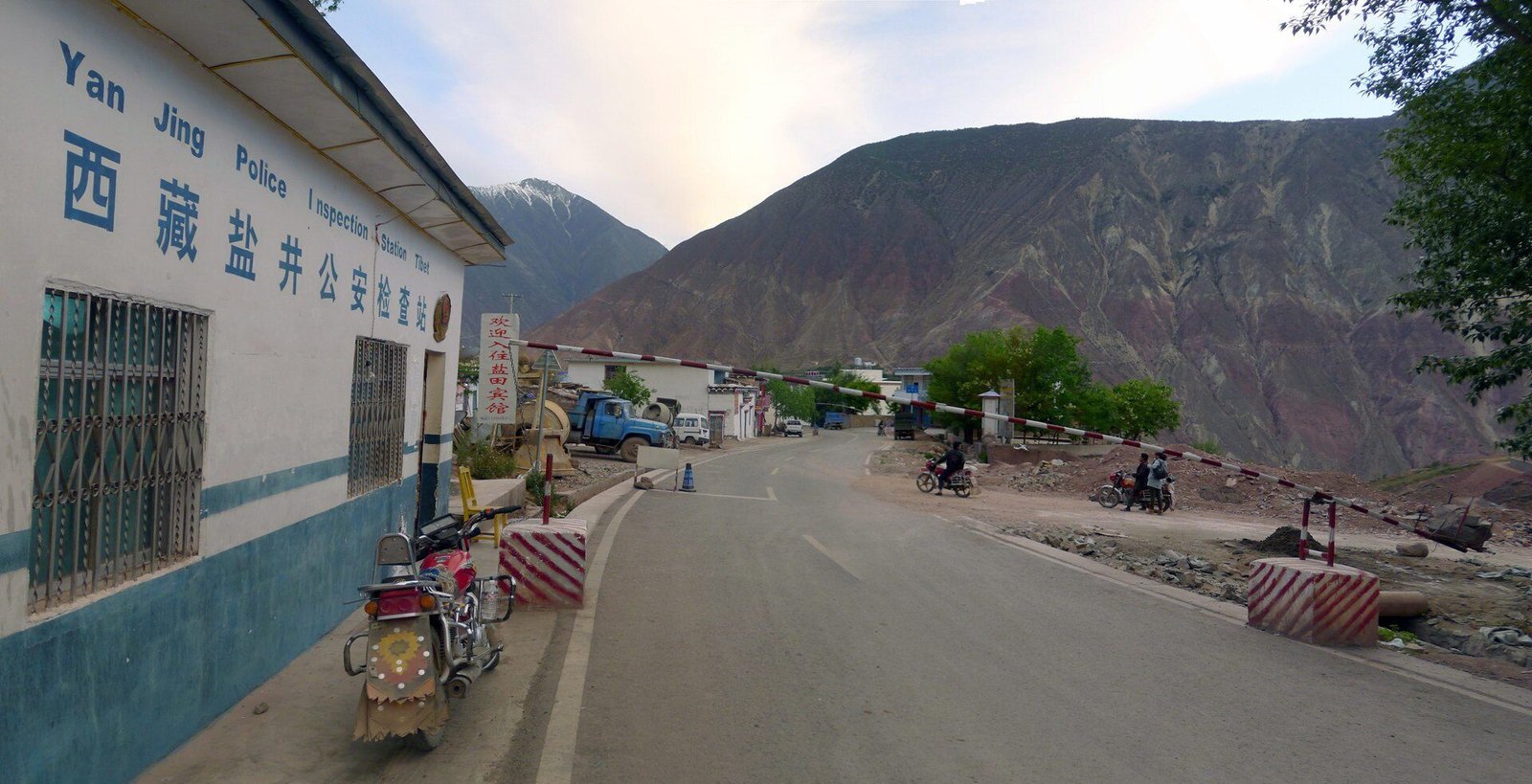
Large-scale relocation programmes have moved nomads and villagers off pastureland into fixed settlements, described officially as voluntary poverty alleviation and ecological protection. Researchers have documented labour transfer and vocational training schemes with quotas and militarised management. The 2024 protests at the Kamtok dam on the Drichu, where whole villages and monasteries faced submersion, ended in mass detentions and beatings.
What UN bodies have concluded
- February 2023: three Special Rapporteurs called on China to abolish the Tibetan residential school system affecting around a million children.
- 2023: the Committee on the Elimination of Racial Discrimination raised boarding schools, labour transfer and relocation in its concluding observations on China.
- January 2024: at China’s Universal Periodic Review, multiple states raised Tibet directly, including recommendations on language education and on access for the High Commissioner.
- February 2026: the Special Rapporteur on minority issues, Nicolas Levrat, reported that policies toward Tibetan language and identity raise concerns rising to the level of genocide as defined in international law.
- 2027: China is scheduled for review by the Committee on the Rights of the Child.
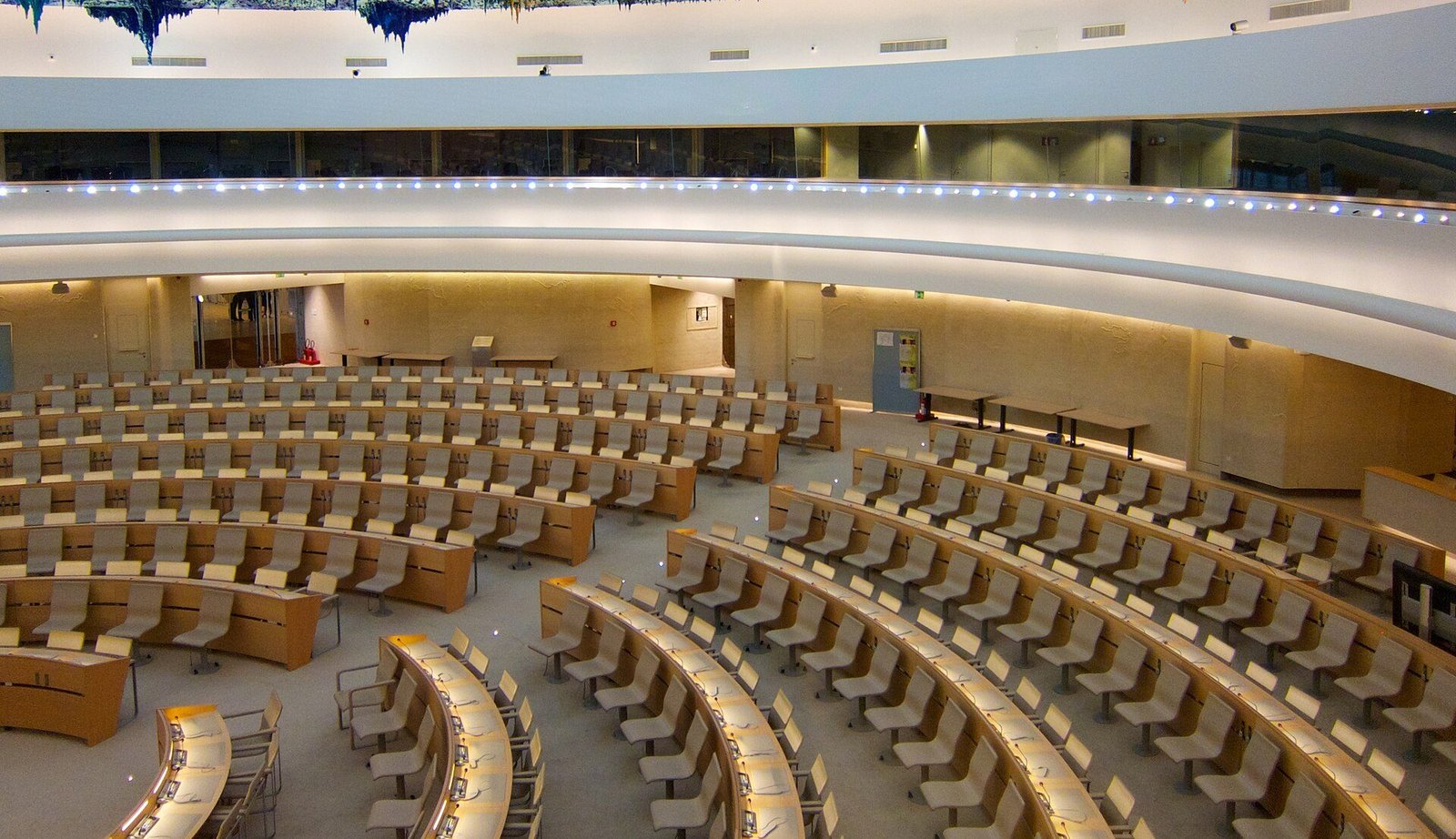
No UN human rights body has been granted unrestricted access to Tibet. That request, unimpeded access for the High Commissioner and for special procedures, has been outstanding for years and remains the single most concrete thing states can press for.
What you can do
Join in person







Ask your representative to support unrestricted UN and diplomatic access to Tibet, and to raise named prisoner cases. Named cases work: sustained international attention has shortened sentences and improved treatment in individual instances, and Tibetan organisations can tell you which cases are live.
Join in person
Support the documentation itself. TCHRD, Human Rights Watch, Amnesty International and Tibet Action Institute are the reason any of this is on record at all.
And come to a vigil or a 10 March commemoration. Attendance is visible, it is counted, and it is one of the few things a person outside Tibet can offer that the people inside cannot.
Sources and further reading
Why the record is incomplete. China does not permit independent journalists, diplomats or UN monitors free access to Tibetan areas. Foreign visitors need special permits that are routinely suspended. Everything below is therefore a floor: what could be documented despite that, mostly by Tibetans taking personal risk, and verified by international organisations.
- [1]Freedom HouseFreedom in the World, Tibet country reportsfreedomhouse.org ↗
- [2]Human Rights WatchMass DNA collection in the TAR (September 2022), One Passport, Two Systems, and reporting on relocation and the Kamtok damhrw.org ↗
- [3]Amnesty InternationalAnnual reports and prisoner case work on China and Tibetamnesty.org ↗
- [4]Tibetan Centre for Human Rights and DemocracyAnnual human rights situation reports and the political prisoner databasetchrd.org ↗
- [5]Tibet Action InstituteReports on colonial boarding schoolstibetaction.net ↗
- [6]UN OHCHRSpecial procedures communications, the Universal Periodic Review of China (2024), CERD concluding observations (2023), and the report of the Special Rapporteur on minority issues (2026)ohchr.org ↗
- [7]Congressional-Executive Commission on ChinaAnnual reports and political prisoner databasececc.gov ↗
Full links are collected on the Sources & Reports page.