


How to use this list
UN documents and the reports of established human rights organisations are the strongest material to cite if you are writing to a government or a newspaper. Tibetan organisations hold the case-level detail. News outlets covering Tibet in Tibetan and English carry what is happening now. Links are checked periodically; if one has moved, the organisation name will find it.
Everything in the Understand Tibet section is drawn from published, checkable sources. This page lists them so you can read the originals rather than take our word for it, and so that anyone using these pages for teaching, journalism or advocacy has the primary material to hand.
United Nations and intergovernmental
- [1]UN Office of the High Commissioner for Human RightsSpecial procedures communications, press statements, and treaty body documents, including the joint statement of Special Rapporteurs on Tibetan residential schools (February 2023) and the report of the Special Rapporteur on minority issues (February 2026).ohchr.org ↗
- [2]UN Committee on the Elimination of Racial DiscriminationConcluding observations on China (2023), available through the OHCHR treaty body database.
- [3]Universal Periodic Review of China, fourth cycle (January 2024)State recommendations and China’s responses, on the UPR pages of the OHCHR site.
- [4]Congressional-Executive Commission on ChinaAnnual reports, special reports on Tibet, and a searchable political prisoner database.cecc.gov ↗

International human rights organisations
- [5]Human Rights WatchInvestigations on mass DNA collection, passport denial, school consolidation, relocation and the Kamtok dam.hrw.org ↗
- [6]Amnesty InternationalAnnual reports, urgent actions and prisoner of conscience case work.amnesty.org ↗
- [7]Freedom HouseFreedom in the World country reports on Tibet, and Freedom on the Net.freedomhouse.org ↗
Tibetan institutions and organisations
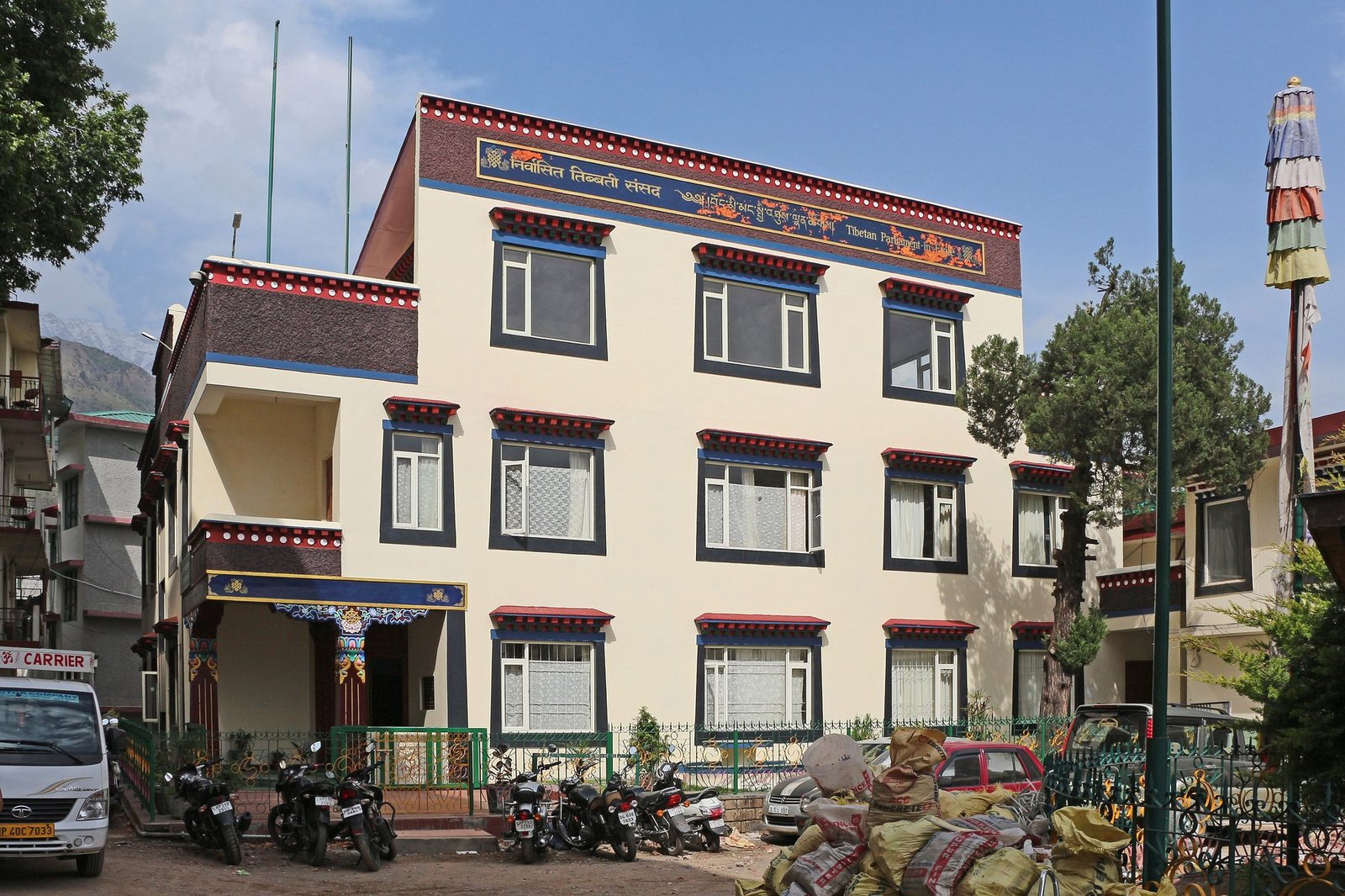
- [8]Central Tibetan Administration (tibet.net)Official statements of the Kashag and Sikyong, fact sheets, and texts of the Middle Way Approach.tibet.net ↗
- [9]Tibetan Centre for Human Rights and DemocracyThe principal Tibetan documentation body; annual human rights situation reports and individual case files.tchrd.org ↗
- [10]International Campaign for TibetPolicy analysis, congressional and parliamentary work, and the standing record of Tibetan self-immolations.savetibet.org ↗
- [11]Tibet Action InstituteSeparated from Their Families, Hidden from the World (2021) and When They Came to Take Our Children (2025), the core research on colonial boarding schools.tibetaction.net ↗
- [12]Free Tibet and its research partner Tibet WatchField reporting and campaigns.freetibet.org ↗
- [13]International Tibet NetworkGlobal coalition of Tibet groups; petitions and coordinated campaigns.tibetnetwork.org ↗
- [14]Students for a Free TibetYouth-led campaigning for Tibetan independence.studentsforafreetibet.org ↗
- [15]Tibet Policy InstituteThe CTA’s research arm; papers on environment, economy and law.tibetpolicy.net ↗
News from and about Tibet
- [16]Radio Free Asia, Tibetan serviceCase-level reporting, often the first to confirm events inside Tibet.rfa.org ↗
- [17]PhayulExile community news in English.phayul.com ↗
- [18]Voice of TibetIndependent Tibetan-language radio and news.vot.org ↗
- [19]Tibet TimesTibetan-language exile newspaper.tibettimes.net ↗
Language, culture and scholarship
- [20]Library of Tibetan Works and Archives, DharamsalaManuscripts, publications and language courses.ltwa.net ↗
- [21]Buddhist Digital Resource CenterThe largest digital archive of Tibetan literature.bdrc.io ↗
- [22]Men-Tsee-KhangTibetan Medical and Astrological Institute; publisher of the authoritative Tibetan almanac.men-tsee-khang.org ↗
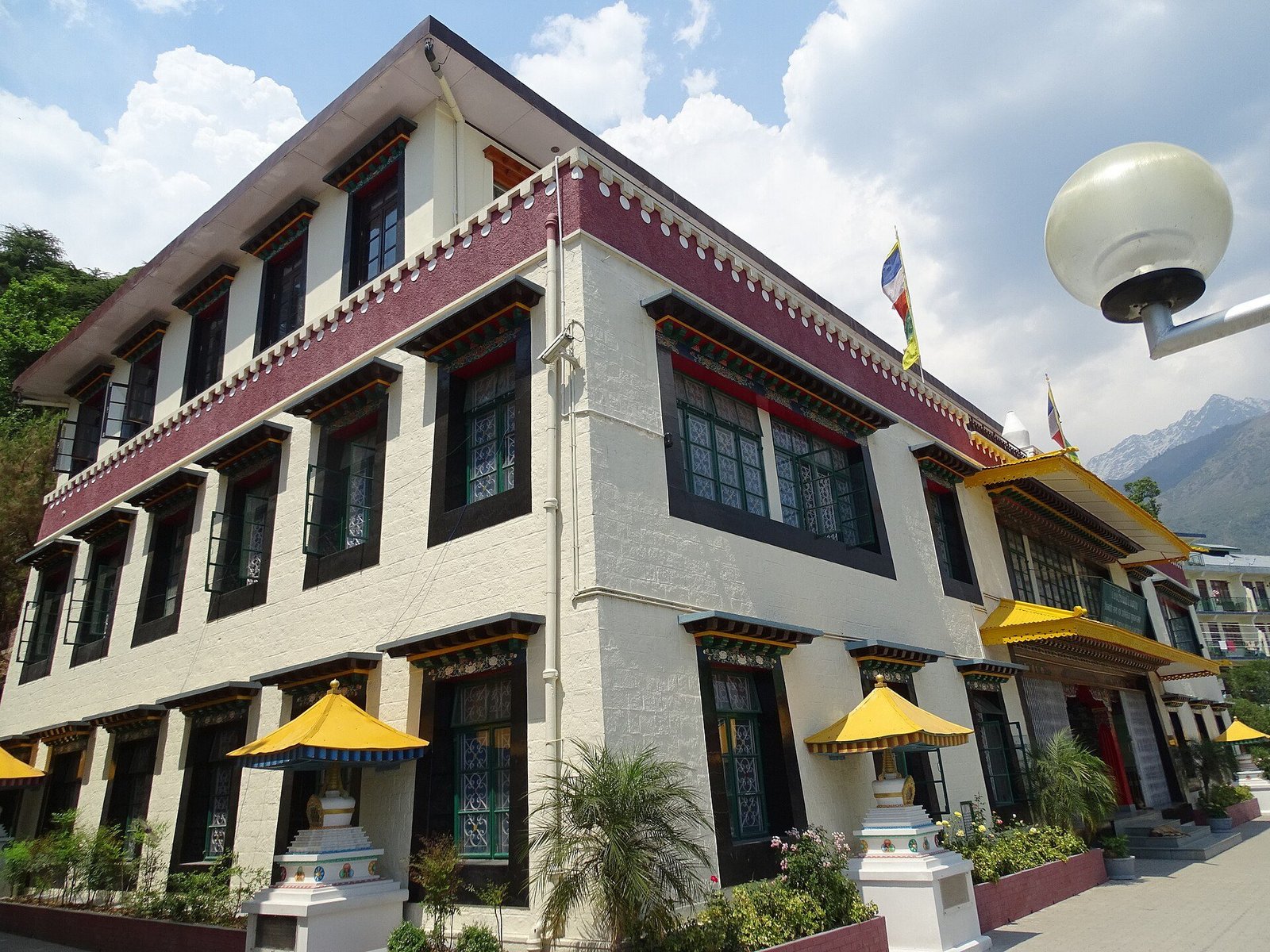
- [23]Tibet Museum, DharamsalaExhibitions and historical documentation.tibetmuseum.org ↗
Switzerland and Europe
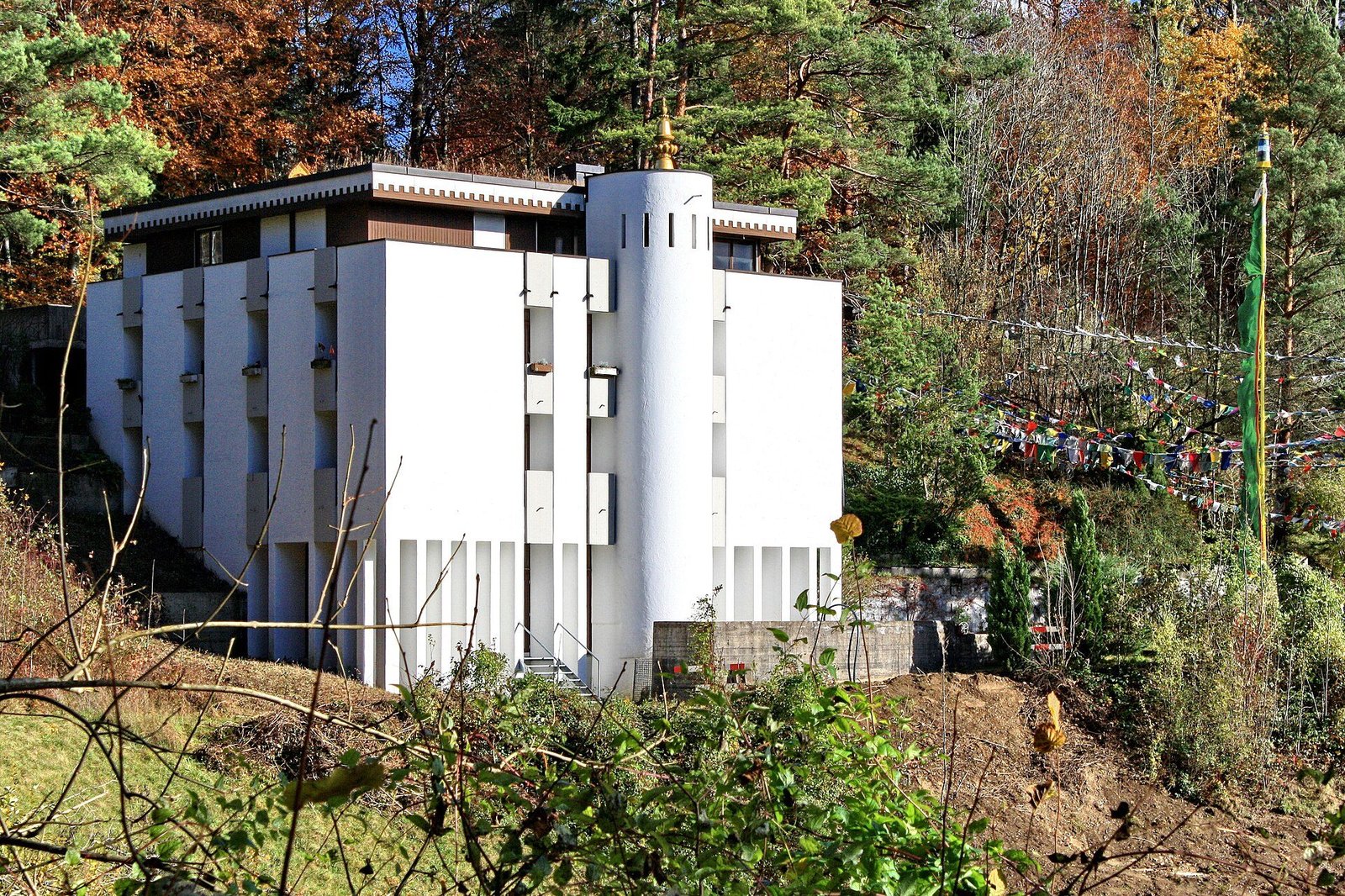
- [24]Tibet Institute RikonFounded 1968, the only Tibetan monastic institute in Europe; teachings, library and cultural programme.tibet-institut.ch ↗
- [25]Tibetan Community in Switzerland and LiechtensteinThe umbrella body for local Tibetan associations.tibetswiss.ch ↗
- [26]Gesellschaft Schweizerisch-Tibetische Freundschaft (GSTF)Swiss-Tibetan friendship association; advocacy and events.gstf.org ↗
- [27]Verein Tibeter Jugend in EuropaTibetan youth organisation in Europe.vtje.org ↗
Join in person
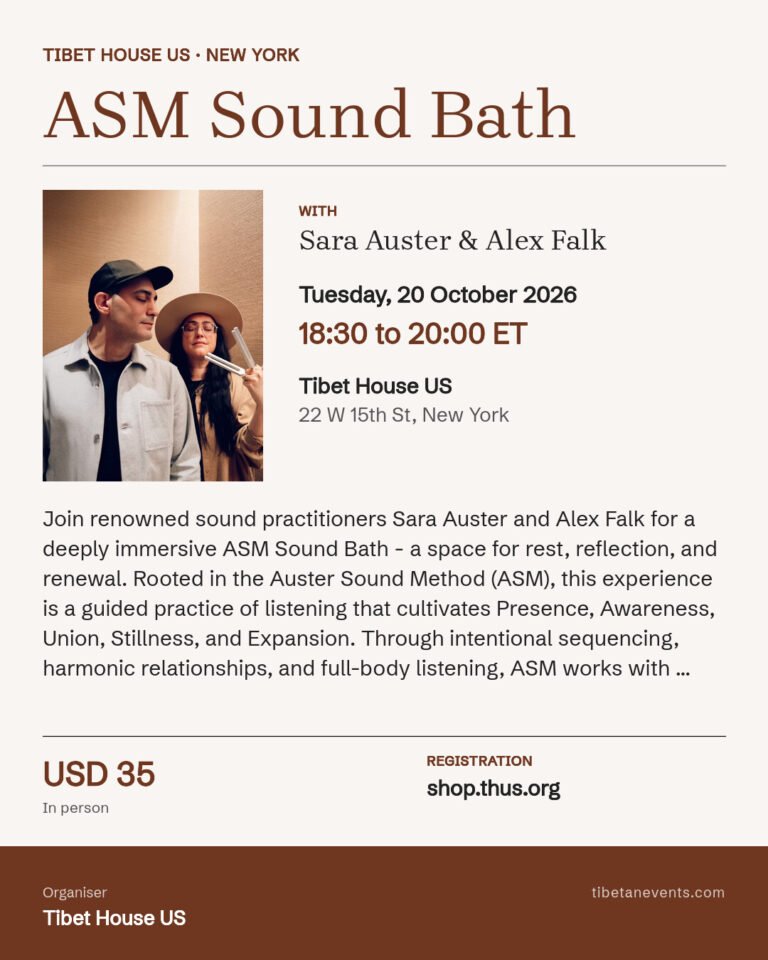



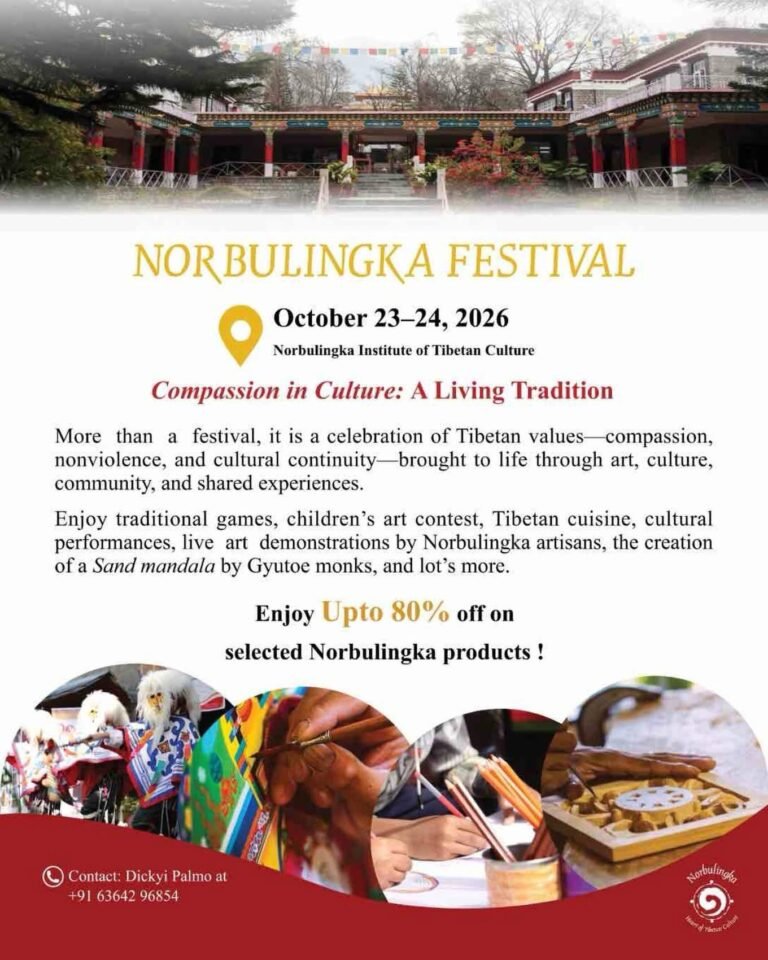
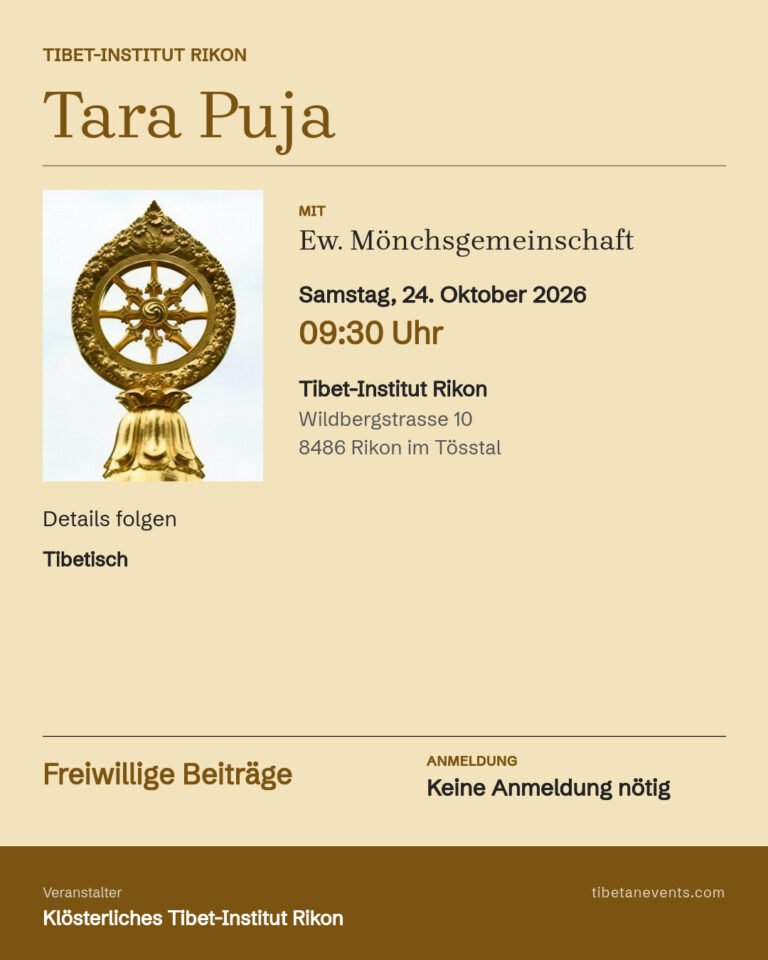


Switzerland hosts the oldest and one of the largest Tibetan communities in Europe. If you are looking for something to attend rather than something to read, the events listings on this site are the place to start.
Join in person
Reading the sources critically
Three habits are worth keeping.
Treat every number as a minimum.
Distinguish documentation from advocacy. Most organisations here do both. A TCHRD case file and a campaign page are different kinds of text, and the first is what you cite.
Treat every number as a minimum. Because access is restricted, counts of prisoners, protests and self-immolations are floors. Cases have surfaced years late.
Read the Chinese position in the original. State media and the texts of laws such as the Ethnic Unity and Progress Law are public. In several instances the policy documents state the assimilation objective more plainly than any critic paraphrases it.
Corrections
These pages are maintained by Tibetan Events Worldwide as a free public education resource. If you find an error, a broken link, or a figure that has been superseded, please tell us through the contact form and we will correct it and note the change.