


Please read this first
This page documents a form of protest that has taken more than 170 Tibetan lives. His Holiness the Dalai Lama has never endorsed it, and the Central Tibetan Administration has repeatedly asked Tibetans to stay alive. We publish the record because these deaths were intended as public testimony, and because the conditions that produced them are still in place. If this subject is difficult for you personally, please step away from the page and speak to someone you trust.
On 2 July 2026, one day after China’s Ethnic Unity and Progress Law came into force, a Tibetan man set himself on fire outside the headquarters of the United Nations in New York. He was the most recent of more than 170 Tibetans who have done this since 2009. This page records who they were, what they asked for, and what the Dalai Lama and the Tibetan administration have said in response.
Please read this first. This page documents a form of protest that has taken more than 170 Tibetan lives. His Holiness the Dalai Lama has never endorsed it, and the Central Tibetan Administration has repeatedly asked Tibetans to stay alive. We publish the record because these deaths were intended as public testimony, and because the conditions that produced them are still in place. If this subject is difficult for you personally, please step away from the page and speak to someone you trust.
Who was Pawo Lobga Rangzen?
His name was Lobsang Palden. Tibetans know him as Lobga Rangzen, rangzen meaning independence, a name he took for himself and lived by.
He was born in Kardze (Ganzi) in Kham, eastern Tibet, to his father Soga and mother Dorjee Lhamo. He fled Tibet for India in the 1990s, became a monk at Gaden Jangtse monastery in south India, and moved to the United States in 2006. In the exile community he was known as a constant presence at protests, vigils and awareness actions: the kind of activist who is there every year, in every weather, holding the flag.
Tencho Gyatso, President of the International Campaign for Tibet, described him after his death as a tireless advocate for Tibet who was devoted to peacefully raising awareness.
What happened outside the United Nations
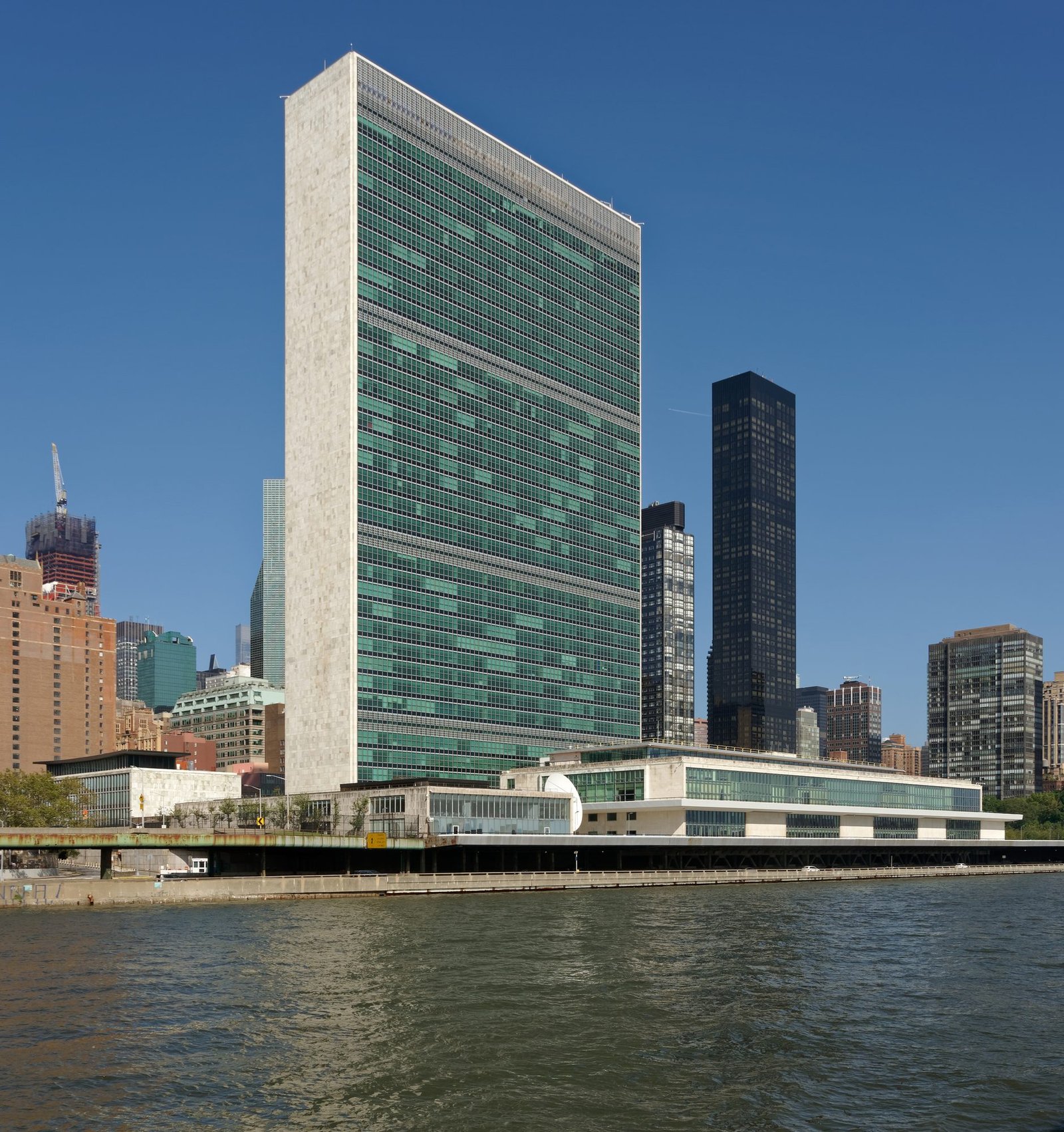
On the evening of 2 July 2026, Lobga Rangzen set himself alight outside UN headquarters in New York. He was taken to Bellevue Hospital and died there at approximately 7:04 pm EDT.
It was the first Tibetan self-immolation on United States soil. In messages left behind he appealed for unity among Tibetans in exile, said that whatever action is necessary for the cause of Tibet must be continued, urged Tibetans to celebrate the Dalai Lama’s 91st birthday four days later, and called for Tibetan independence, arguing that the restrictions on speech and religion inside Tibet follow from an independence that was lost and must be regained.
The timing was not incidental. China’s Ethnic Unity and Progress Law had taken legal effect the previous day.
Sikyong Penpa Tsering, head of the Central Tibetan Administration, honoured his devotion and in the same statement asked Tibetans to cherish their lives, saying that human life is precious and must be preserved.
The record since 2009
The figures below are maintained by the International Campaign for Tibet and were last updated on 3 July 2026. They should be read as a floor, not a total: China restricts communication from Tibetan areas so severely that some cases surface years later. Shurmo, who self-immolated on 17 September 2015, was not reported outside Tibet for more than five years.
- More than 170 Tibetans in total are known to have self-immolated.
- 159 inside Tibet and China since February 2009; 11 in exile, in India, Nepal and the United States.
- 127 of the 159 inside Tibet are known to have died. The fate of many survivors is unknown: ICT reports that Chinese police have beaten, shot, isolated and disappeared people who survived.
- 131 men and 28 women.
- 26 were aged 18 or younger.
- 25 were monks or former monks of Kirti monastery in Ngaba; two were nuns of Mame Dechen Chokorling nunnery in the same town.
- 158 of the 159 occurred after 16 March 2011: the wave has a clear starting point.
Year by year
The distribution matters as much as the total. This was not a steady phenomenon; it was a concentrated wave that peaked in 2012 and has since become rarer but never stopped.
- 2009: 1. Tapey, a monk of Kirti monastery, on 27 February in Ngaba market. The first case, and then two years of silence.
- 2011: 14. Beginning with Phuntsog at Kirti on 16 March. Twelve inside Tibet, one in India, one in Nepal. Palden Choetso, a nun, on 3 November in Tawu.
- 2012: 86. The peak year, by a wide margin. Eighty-four inside Tibetan areas, one in Beijing, one in India.
- 2013: 28. Twenty-six inside Tibet, two in Nepal.
- 2014: 11.
- 2015: 7, including Shurmo, whose case took five years to emerge.
- 2016: 3.
- 2017: 6.
- 2018: 2.
- 2019: 2, including Yonten, a 24-year-old former Kirti monk, on 26 November.
- 2020-2021: none reported, during the period of hardest lockdown and communication control.
- 2022: 2. Tsewang Norbu on 25 February and Taphun on 27 March.
- 2026: 1. Lobga Rangzen, in New York.
Names the world knows
Tapey, Kirti monk, 27 February 2009, Ngaba. He survived, and has effectively disappeared from public knowledge since.
Phuntsog, a 20-year-old Kirti monk, on 16 March 2011, the third anniversary of the 2008 crackdown at Ngaba. His death opened the wave; Kirti monastery was placed under military lockdown and hundreds of monks were removed for re-education.
Palden Choetso, 35, a nun of Ganden Jangchup Choeling in Tawu, 3 November 2011. Photographs taken by Tibetans that day travelled the world.
Jamphel Yeshi, 27, in New Delhi on 26 March 2012, during protests ahead of the Chinese President’s state visit to India. He died two days later. He had escaped Tibet in 2006. His photograph became the single most reproduced image of the entire wave.
Kalsang Wangdu, 18, 29 February 2016, Kardze. He called for complete independence for Tibet.
Sonam Tso, in her fifties, a mother of five, 23 March 2016, near Dzoge.
Tsewang Norbu, 25, on 25 February 2022 in Lhasa, near the Potala Palace, the most heavily policed square in Tibet. He was a well-known singer, a finalist on Chinese television talent shows, and the son of prominent Tibetan musicians. His death was never acknowledged by Chinese authorities.
Taphun, 81, on 27 March 2022 outside a police station near Kirti monastery in Ngaba. The oldest known case.
Lobsang Palden, known as Lobga Rangzen, 2 July 2026, United Nations headquarters, New York.
Tibetans in exile
Eleven of the known cases took place outside Tibet, in India, Nepal and the United States. Exile Tibetans point to an earlier precedent as well: Thupten Ngodup, a former monk and Tibetan Freedom Movement volunteer, who set himself on fire in New Delhi in April 1998 when Indian police broke up a Tibetan hunger strike that had reached its 49th day. He is widely regarded as the origin point of the practice in the modern Tibetan movement, and is remembered in exile communities as a pawo: a hero, in the sense of one who bears witness.
What they asked for
Where last words are known, they are strikingly consistent across seventeen years, two countries and every age group from teenagers to an 81-year-old:
- The return of His Holiness the Dalai Lama to Tibet.
- Freedom for Tibet: phrased by some as genuine autonomy and by others, explicitly, as rangzen, independence.
- The right to use the Tibetan language.
- The release of the Panchen Lama and of political prisoners.
- Unity among Tibetans.
Almost none of the recorded final statements express hatred toward Chinese people. Many explicitly ask other Tibetans not to follow.
What the Dalai Lama has said
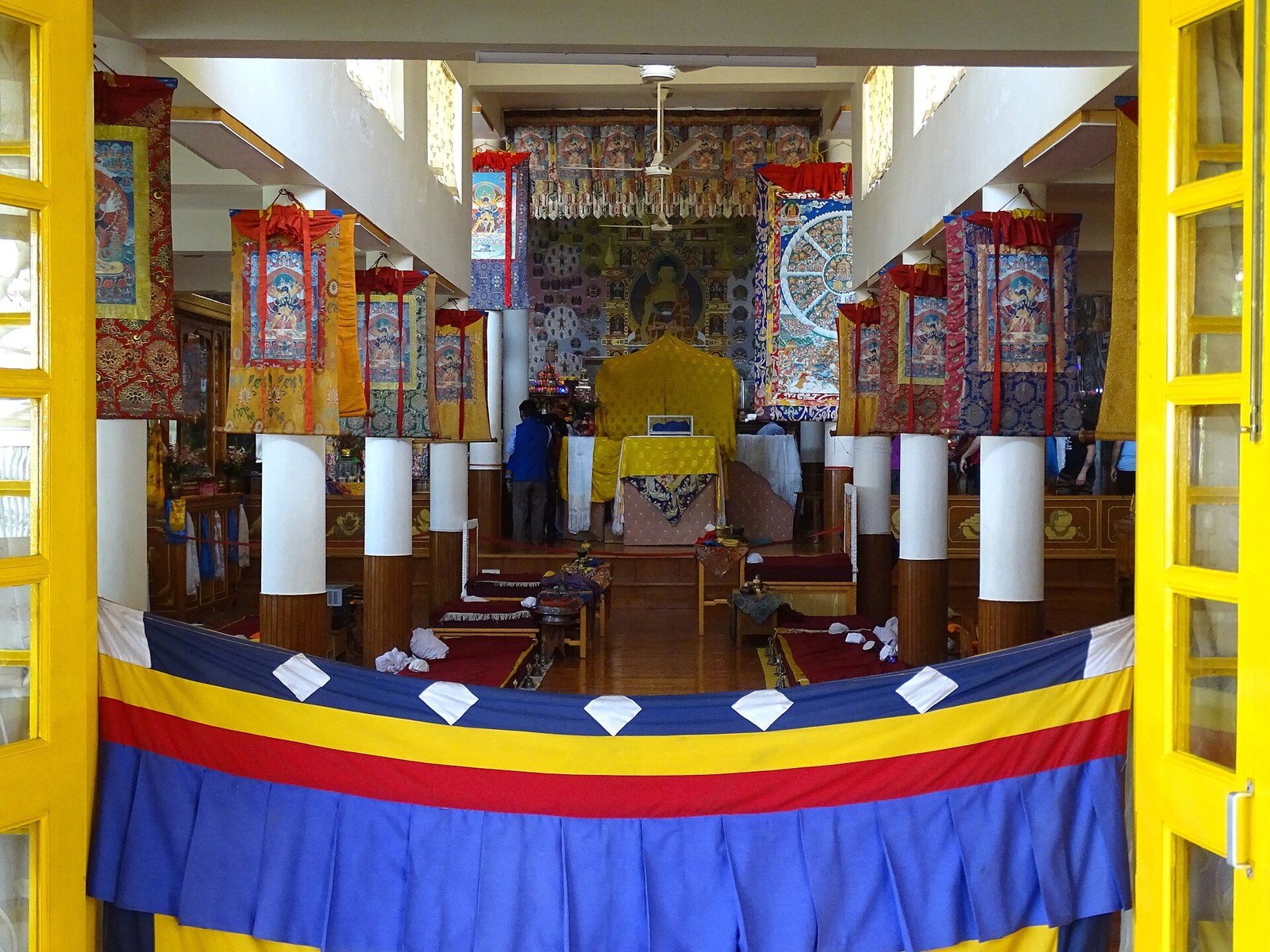
His Holiness has never endorsed self-immolation, and does not endorse hunger strikes to the death either. His position has moved from qualified comment to deliberate restraint.
In March 2012 he said he did not encourage the act, while acknowledging the courage of those who carried it out, and located the cause in what he called cultural genocide: policies that make Tibetan life untenable rather than any individual despair. He has observed that these were people who could have used a bomb and instead took only their own lives, describing the choice as remaining within non-violence.
By mid-2012 he had largely stopped commenting. He explained the silence plainly: if he says something positive, Beijing blames him for inciting it; if he says something negative, the families of the dead are hurt. That refusal to make political use of the deaths has itself been consistent for more than a decade.
What is not in dispute: no Tibetan leader in exile has ever called for self-immolation, and the Chinese state’s claim that these deaths are organised from Dharamsala has never been substantiated by any evidence.
The position of the Central Tibetan Administration
The CTA’s line has three parts, and it has not changed under successive Sikyongs.
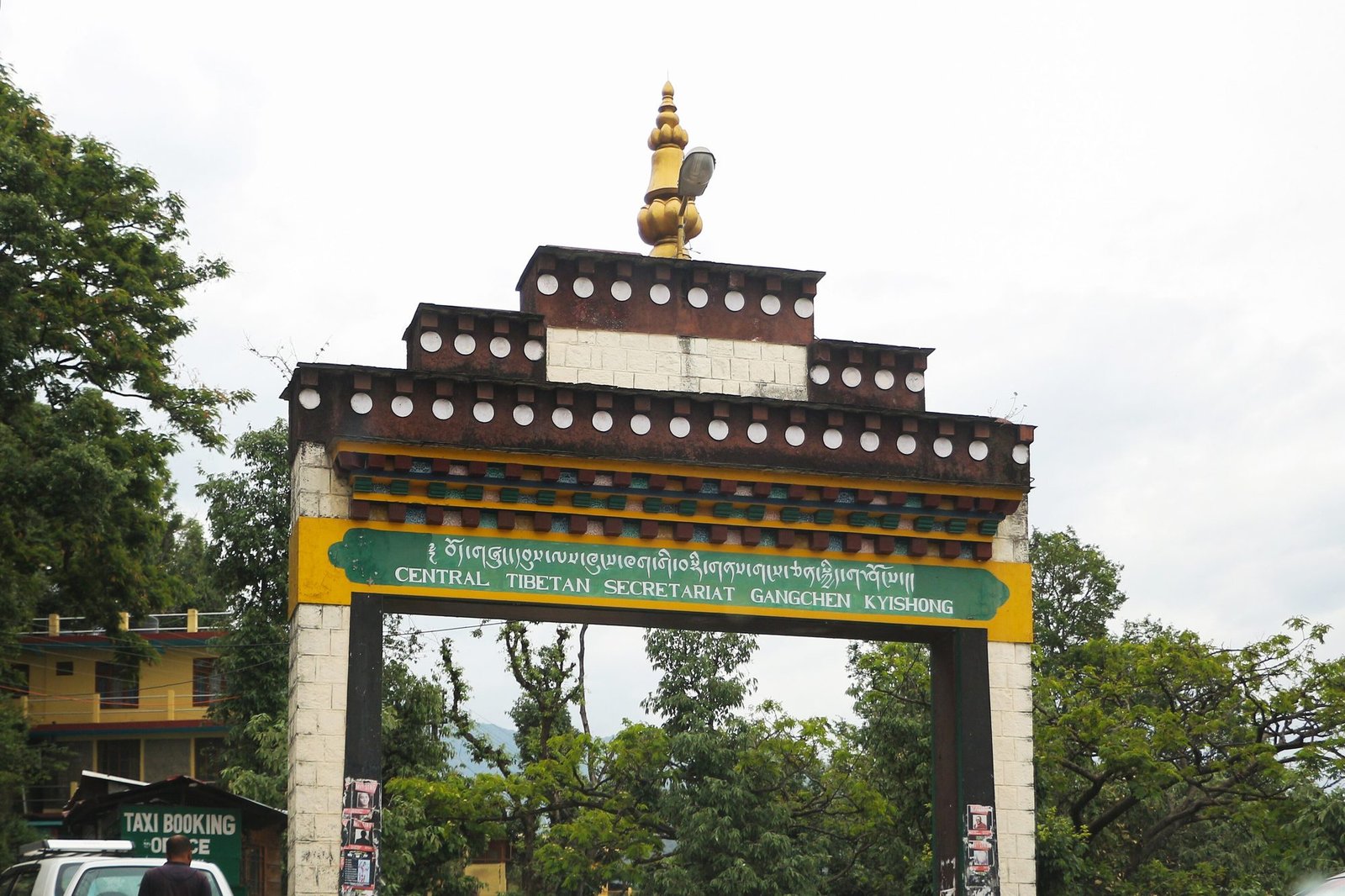
Responsibility. Sikyong Lobsang Sangay stated it directly: the blame lies with the Chinese government and its hardline, insensitive policies. The CTA frames the wave as a symptom of repression, not of Tibetan culture or of Buddhism.
Non-violence. The administration remains committed to the Middle Way Approach and to non-violent means, and rejects any turn toward armed resistance. Sangay has acknowledged the theological difficulty honestly: Buddhism prohibits taking one’s own life, motivation matters in Buddhist ethics, and he has said there is no definitive answer to where these acts fall.
An appeal to live. The Kashag has repeatedly appealed to Tibetans inside Tibet to preserve their lives and to find other ways to carry the struggle. After Lobga Rangzen’s death, Sikyong Penpa Tsering repeated it: cherish your lives, human life is precious and must be preserved.
The CTA also maintains the public record, issuing fact sheets, naming each person, and holding solidarity prayer services. Refusing to encourage the act and refusing to let the dead go unnamed are, for the administration, the same commitment.
How Tibetan organisations respond
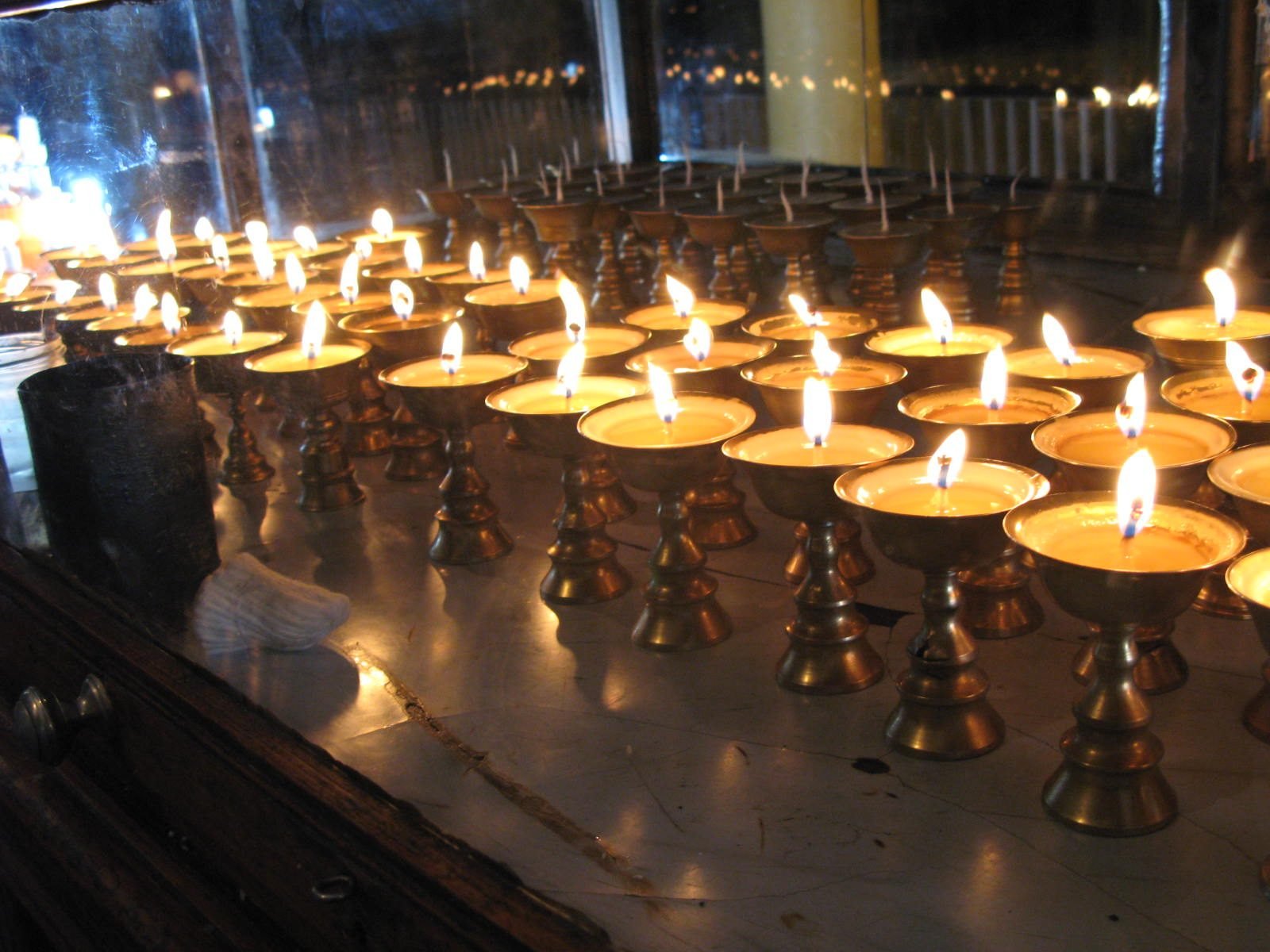
Across the exile movement the response has settled into a shared practice rather than a shared argument. The International Campaign for Tibet, the Tibetan Centre for Human Rights and Democracy, Free Tibet, Students for a Free Tibet and the Tibetan Youth Congress each maintain or draw on the same documentation, hold vigils and prayer services on anniversaries, and press governments and UN bodies to act on the underlying conditions.
There are real differences of political goal within that list, since several of these organisations campaign for independence rather than autonomy, but none of them calls for more self-immolations. The consistent demand is the opposite: that the conditions producing them be addressed so that no one else decides this is the only remaining way to be heard.
Join in person




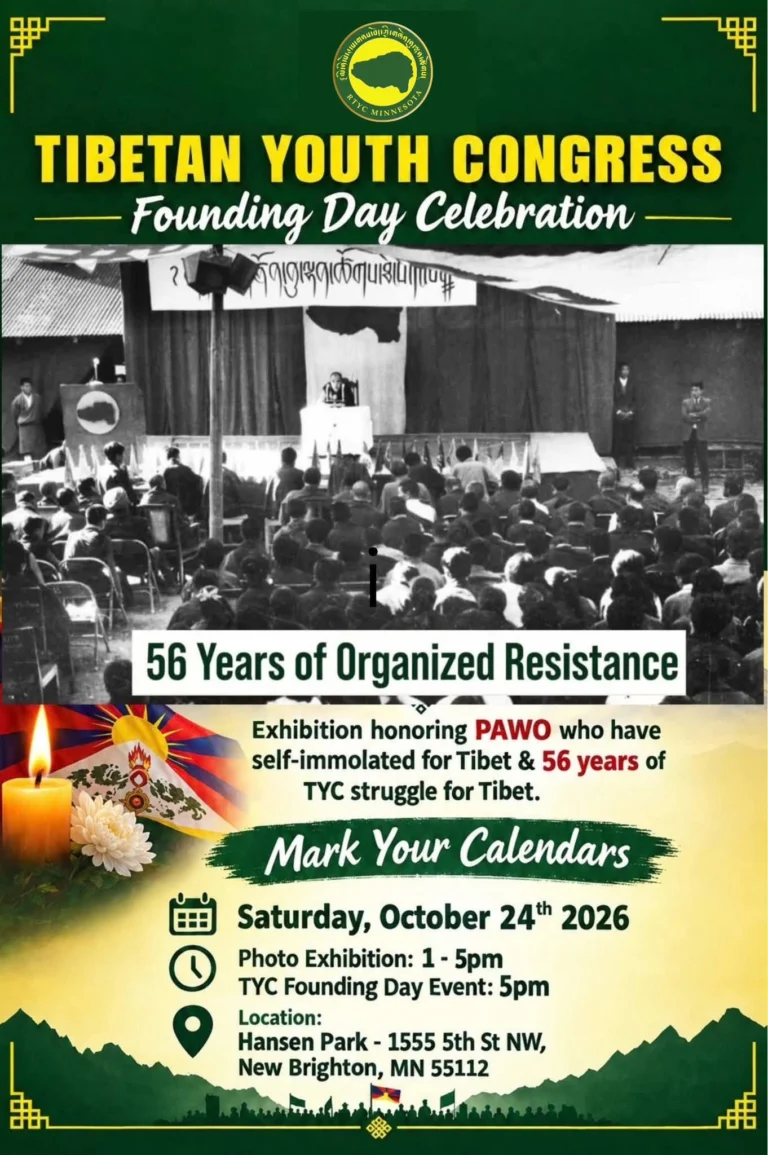

Tibetan communities in Switzerland, Europe, North America and India mark these deaths at 10 March commemorations, at candlelight vigils, and in monastery prayer sessions. Many of the events listed on this site fall on those dates.
Join in person
How China has responded
Beijing has treated the wave primarily as a criminal and security matter. Premier Wen Jiabao said the acts hurt social harmony. Courts in Tibetan areas have prosecuted relatives, friends and monks connected to self-immolators, in some cases on charges of intentional homicide for failing to prevent or for being present. Villages and monasteries have faced collective penalties, including withdrawal of state benefits and development funds.
Security measures around Kirti monastery and Ngaba town became a visible feature of the region: fire extinguishers carried by patrols, checkpoints, communication shutdowns. State media has consistently attributed the deaths to the Dalai Lama and the exile administration.
The International Campaign for Tibet reports that survivors have been beaten, shot, isolated and disappeared, which is why the number known to have died is a minimum rather than a settled figure.
Why we publish this record
Every one of these people acted in public, in daylight, in a market square or outside a police station or in front of the United Nations, having chosen the most visible place available to them. The act was the message, and the message was addressed to people outside Tibet.
Publishing their names is not agreement with what they did. It is the minimum honesty owed to a testimony that was paid for at that price, and it is the reason a QR code on a flyer in Zurich leads to this page rather than to a slogan.
The Tibetan cause needs Tibetans alive.
If you take one thing from it, take the appeal that both the Dalai Lama and the Central Tibetan Administration have made for fourteen years: the Tibetan cause needs Tibetans alive.
Sources
- [1]International Campaign for Tibet, Self-immolations by TibetansThe standing factual record, last updated 3 July 2026savetibet.org ↗
- [2]International Campaign for TibetStatement on the death of Lobga Rangzen (July 2026)savetibet.org ↗
- [3]Central Tibetan Administration (tibet.net)Fact sheets, Kashag statements and the Sikyong’s statementstibet.net ↗
- [4]Tibetan Centre for Human Rights and DemocracyAnnual human rights reportstchrd.org ↗
- [5]Congressional-Executive Commission on ChinaSpecial Report: Tibetan Self-Immolationcecc.gov ↗
- [6]Radio Free Asia, Tibetan service and Human Rights WatchCase reporting from Ngaba, Kardze and Lhasarfa.org ↗hrw.org ↗
Full links are collected on the Sources & Reports page.