Tap the heart on any event to keep it here. Saved events stay on this device.
Tibetan Democracy: A Democracy Built in Exile

1 story
· Latest 1 Sep 2026
1 story
· Latest 1 Sep 2026
1 story
· Latest 1 Sep 2026
Clear search
All
4
Culture
1
Festivals
2
Guides
1
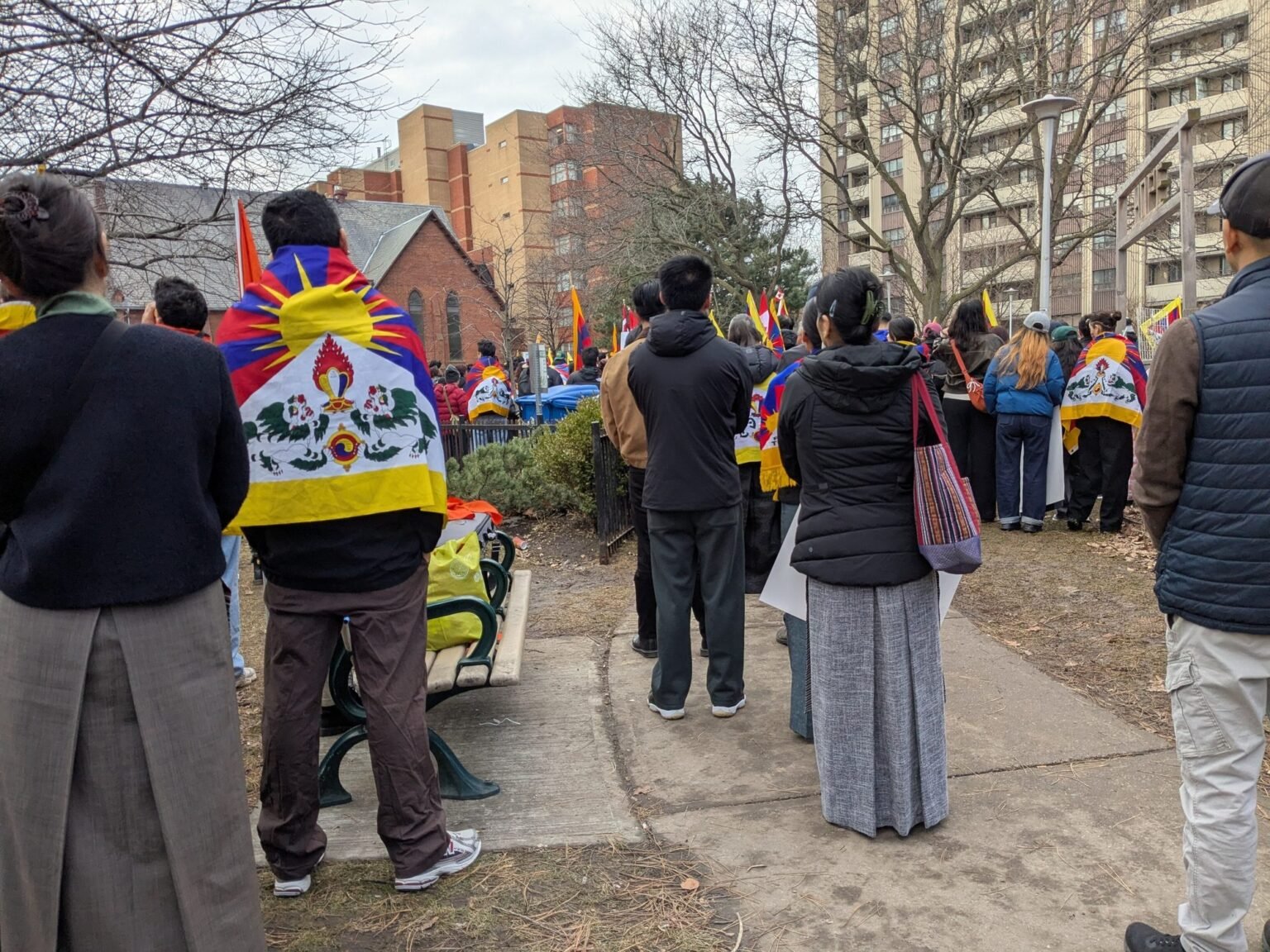
People seen from behind, some wrapped in Tibetan flags, stand in a city park listening to a rally
A Tibetan rally in Masaryk Park, Toronto, on 10 March 2026. Photo: Qviri / CC BY-SA 4.0
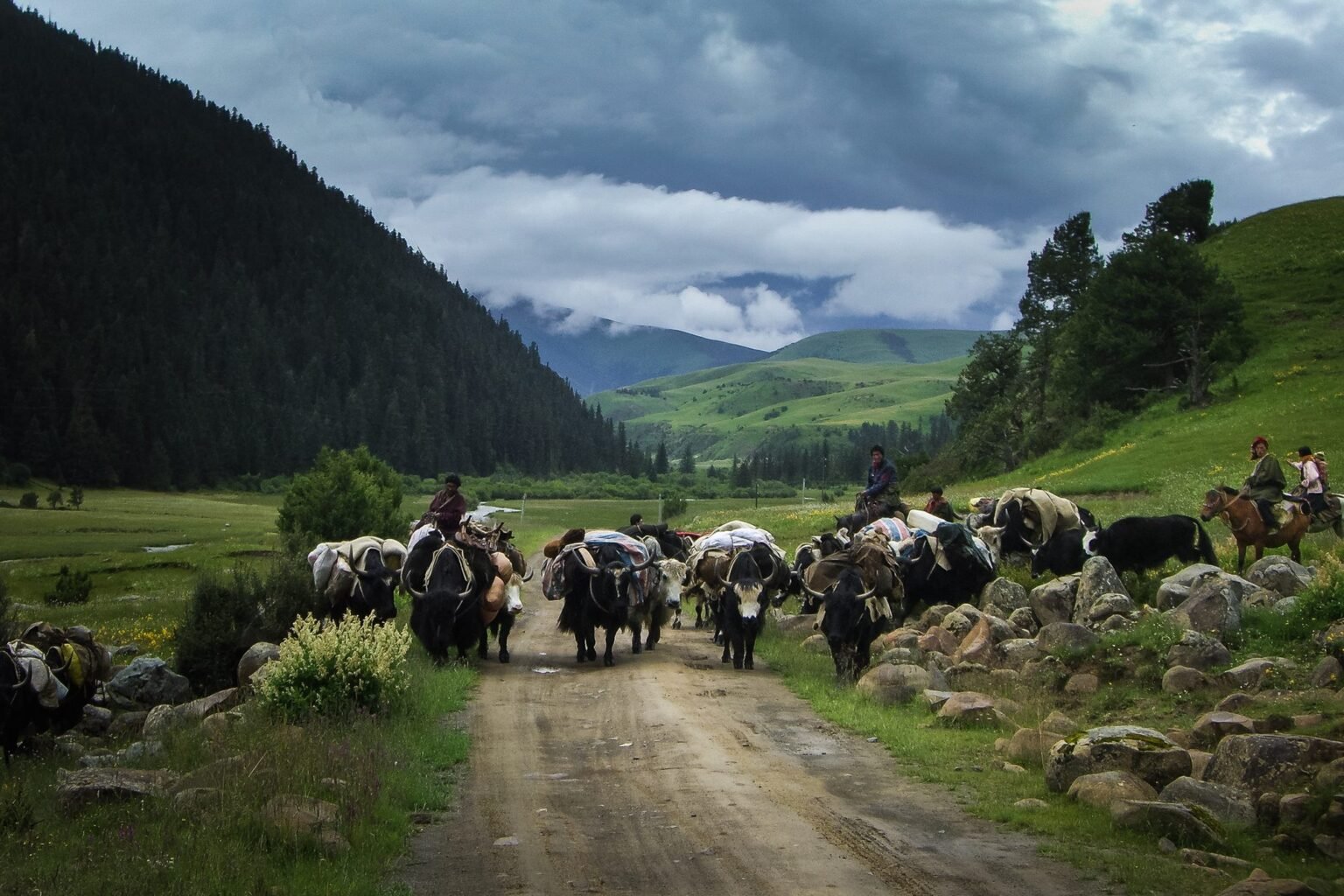
Pack yaks loaded with bundles walk down a dirt road through a green valley, herders on horseback beside them
Herders moving home with their yaks in Kham, eastern Tibet, 2007. Photo: Matt Ming / CC BY 2.0
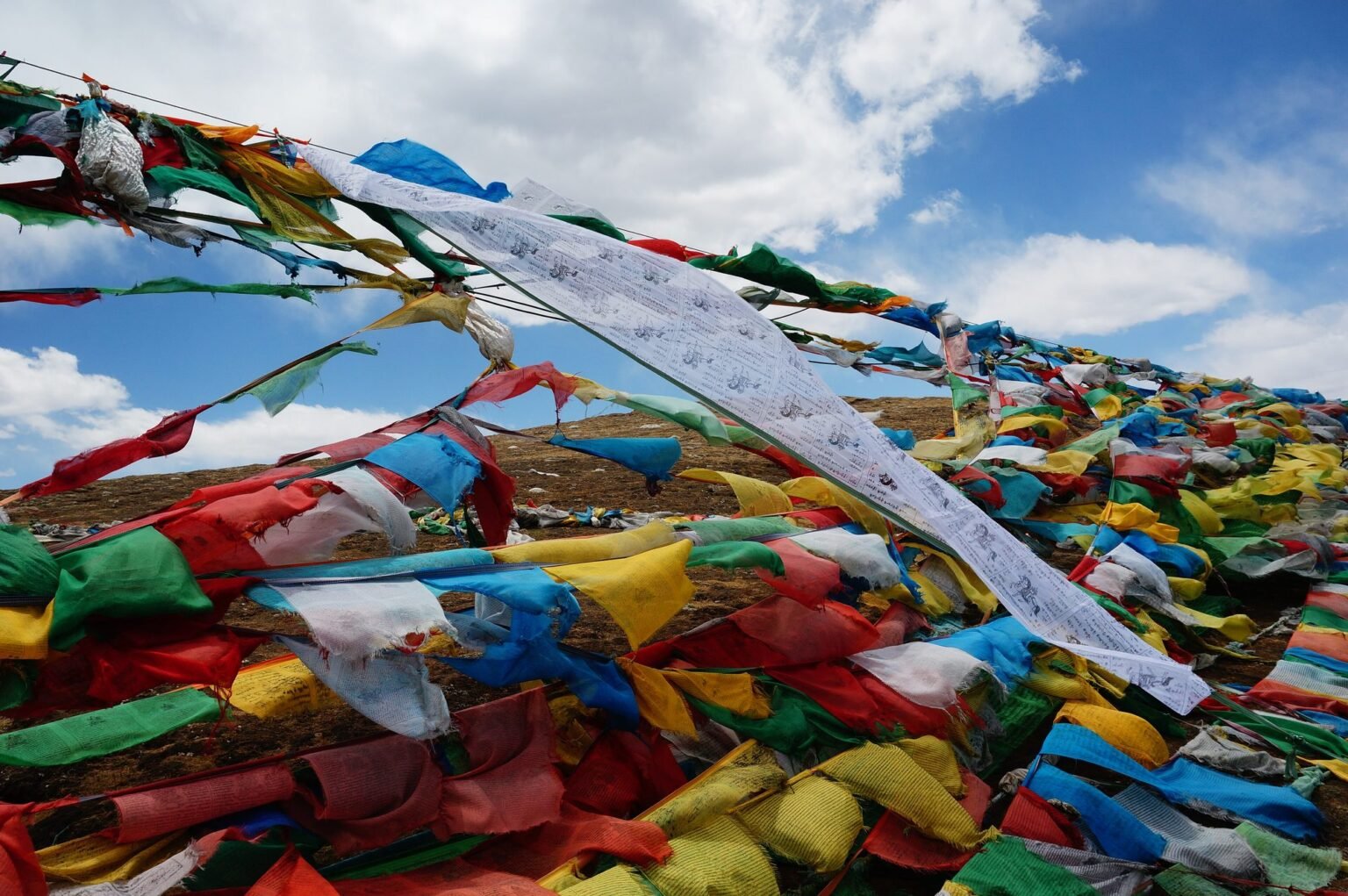
Hundreds of red, yellow, green, blue and white prayer flags heaped over a mountain pass under a blue sky with white clouds
Prayer flags at the Kamba La pass in Tibet, May 2014. Photo: Andrew and Annemarie / CC BY-SA 2.0
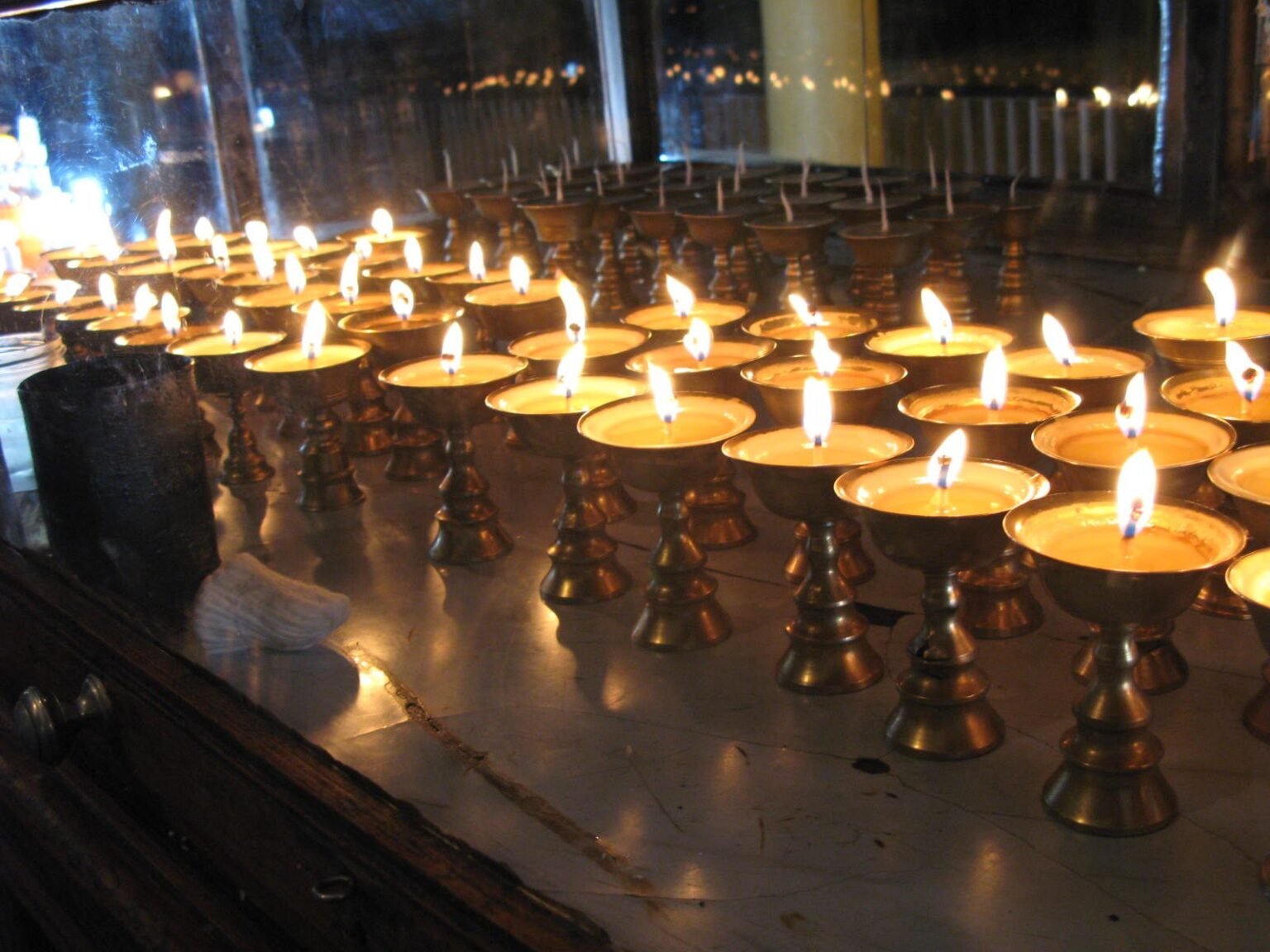
Rows of small lit butter lamps glowing in a dim room
Butter lamps in the lamp house of the Tsuglagkhang temple in McLeod Ganj, Dharamsala. Photo: King-O-Convenience / CC BY 2.0
Waiting for its first story

Be the first in Tibetan Democracy: A Democracy Built in Exile.

No story has been published here yet. Have one about a person, a gathering or a place? Send it to the Journal and it could open this section.

Editor’s pick
6 min · 1 Sep 2026
6 min · 1 Sep 2026
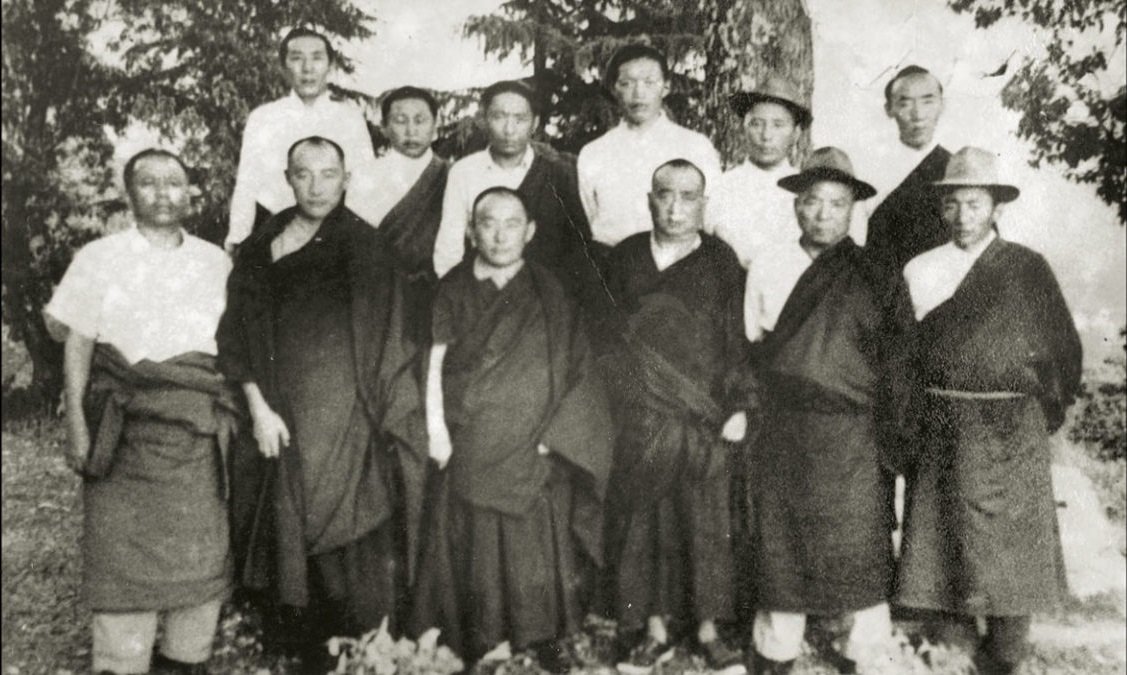
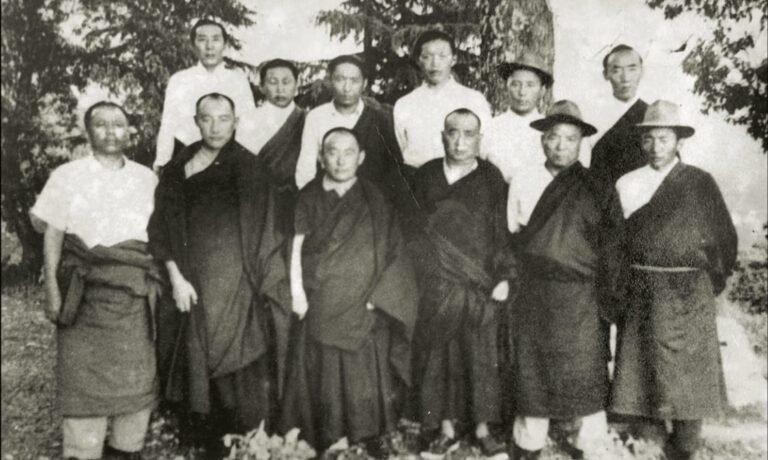
The first Commission of Tibetan People's Deputies, 1960. Photo: Tibetan Parliament-in-Exile, via Wikimedia Commons (public domain).
“And yet, on that day, they did something no generation of Tibetans had done before: they took office as representatives elected by the Tibetan people.”
On 2 September 1960, thirteen elected Tibetan deputies took their oath of office in Dharamsala. Sixty-six years later, Tibetans in exile run a full democracy without a state: a 45-member parliament, a directly elected Sikyong and elections in more than 25 countries.
By Tibetan Events Journal
On 2 September 1960, thirteen elected Tibetan deputies took their oath of office in Dharamsala. Sixty-six years later, Tibetans in exile run a full democracy without a state: a 45-member parliament, a directly elected Sikyong and elections in more than 25 countries.
By Tibetan Events Journal
The first Commission of Tibetan People's Deputies, 1960. Photo: Tibetan Parliament-in-Exile, via Wikimedia Commons (public domain).
On 2 September 1960, thirteen elected Tibetan deputies took their oath of office in Dharamsala.
By Tibetan Events Journal
1 of 1
You have reached the first story in this section, published 1 Sep 2026.
That is every story that matches.

Read by section

Culture
1
Why Tibetan Language Preservation Matters Today
Tibetan cultural event
Why Tibetan Language Preservation Matters Today
Tibetan cultural event
All Culture
Festivals
2
66 Years of Tibetan Democracy: A Democracy Built in Exile
The thirteen members of the first Commission of Tibetan People's Deputies, sworn in on 2 September 1960
Why we celebrate Saka Dawa
Saka Dawa Tibetan Buddhist celebration
66 Years of Tibetan Democracy: A Democracy Built in Exile
The thirteen members of the first Commission of Tibetan People's Deputies, sworn in on 2 September 1960
Why we celebrate Saka Dawa
Saka Dawa Tibetan Buddhist celebration
All Festivals
Guides
1
Why Tibetans Hang Prayer Flags and What Their Colors Really Mean
Yungbulakang Palace Tibet
Why Tibetans Hang Prayer Flags and What Their Colors Really Mean
Yungbulakang Palace Tibet
All Guides
Community, Journeys and Photo Essays open with their first story.